


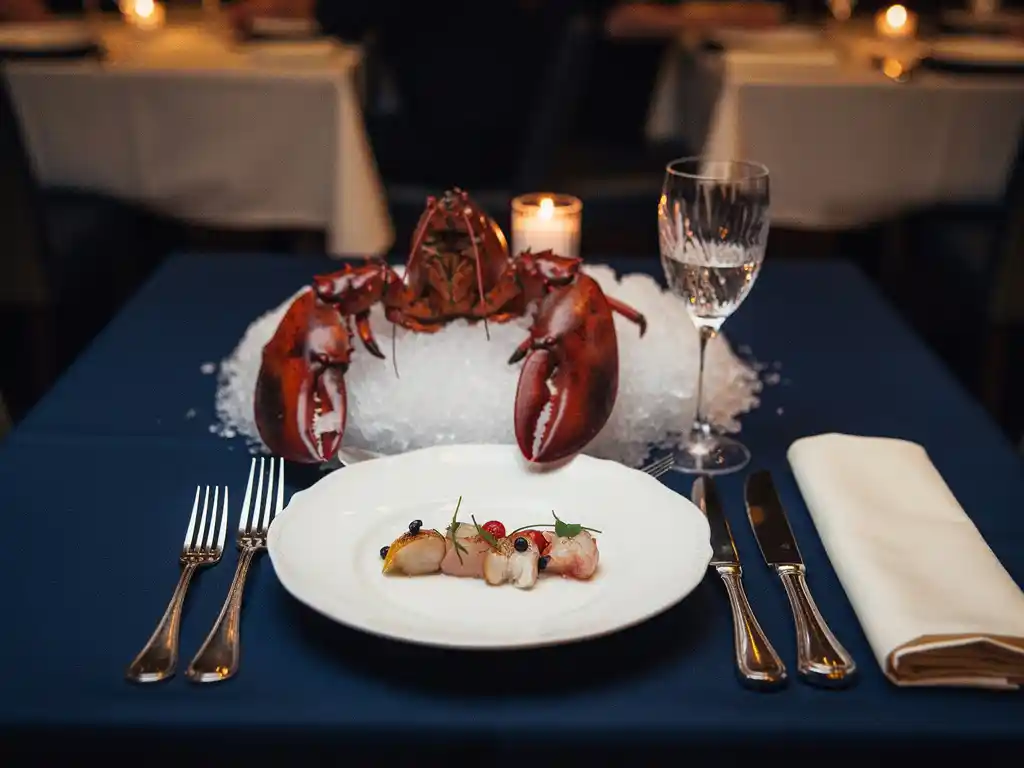
Fine dining is a culinary experience that goes far beyond an ordinary night out. It’s about attention to every detail: from the quality of the ingredients to the presentation of each dish and the warmth of the service. For anyone considering a visit to a fine dining restaurant in Amsterdam, it’s helpful to know what to expect and what an evening like this typically costs.
What is fine dining and what sets it apart from a regular restaurant?
Fine dining is a high-end restaurant experience centered on quality, craftsmanship, and atmosphere. It distinguishes itself from ordinary dining through the combination of exceptional ingredients, refined cooking techniques, personalized service, and a carefully crafted ambiance. It’s not just about the food — it’s about a complete evening that stays with you.
At a regular restaurant, the food is the focus and service is functional. In fine dining, every element is a deliberate choice. Think seasonal menus that change weekly or monthly, dishes plated with precision, and staff who know exactly what’s on the plate and how each dish was prepared. The ambiance, table linens, glassware, and even the music are all part of the overall experience.
Fine dining also calls for a different mindset from the guest. You take your time, allow yourself to be surprised, and stay open to new flavors and combinations. It’s an evening you’ll still be thinking about the next day.
What is the average cost of a fine dining dinner?
The cost of a fine dining dinner in Amsterdam typically ranges between €60 and €200 per person, depending on the number of courses, whether you opt for wine pairing, and the level of the restaurant. For a multi-course menu without drinks, you can generally expect to pay €75 to €120 per person at a quality seafood or brasserie restaurant.
Wine pairing adds an average of €40 to €80 per person, depending on the selection. Michelin-starred restaurants or those with a comparable reputation often charge more — sometimes €200 or above per person for a full menu including drinks.
What determines the price?
- Number of courses: A three-course menu is less expensive than a seven- or eight-course menu.
- Ingredients: Products such as fresh oysters, lobster, or daily-caught fish significantly increase the cost.
- Wine pairing: A carefully curated wine selection for each course is a luxury that comes at an extra cost.
- Location and reputation: Restaurants in central Amsterdam or with a strong reputation typically charge more.
- Season: Certain delicacies, such as lobster or specific oyster varieties, are seasonal and can affect the price.
What is included in the price of a multi-course menu?
A multi-course menu typically includes the dishes themselves: an amuse-bouche, starter, main course, and dessert, and sometimes an intermediate course or cheese board. Drinks such as wine, water, and coffee or tea are almost always charged separately, unless an all-inclusive arrangement is explicitly offered.
At many fine dining restaurants, you can opt for an optional wine pairing, where the sommelier selects a suitable wine for each course. This adds an extra dimension to the meal and is a popular choice for guests who want the full experience.
Some restaurants also offer a chef’s menu: a menu composed by the kitchen team that changes regularly based on the season and availability. This gives the kitchen the freedom to work with the finest produce of the moment and offers guests a surprising, carefully curated experience.
When is fine dining worth it?
Fine dining is worth it when you’re looking for more than just a meal. It’s ideally suited for special occasions such as a birthday, wedding anniversary, romantic dinner, business engagement, or a celebratory night out with friends or family. The extra investment pays off in an unforgettable evening.
For food lovers and those who consciously choose quality and freshness, fine dining is also a truly rewarding experience. You can taste the difference that daily-fresh fish and dishes prepared with care and craftsmanship make. The knowledge of the staff, the attention to dietary needs, and the personal approach complete the visit.
Fine dining is less suitable if you want to eat quickly or are looking for a casual night out. It requires time and an open mind. Those willing to invest in the evening rarely go home disappointed.
How do you reserve a table at a fine dining restaurant?
It’s best to book a table at a fine dining restaurant well in advance, especially at popular venues. Reserve at least one to two weeks ahead, and for special dates such as Valentine’s Day or public holidays, even a month or more in advance. Most restaurants offer online reservations through their website.
When booking, it’s helpful to mention any dietary requirements or allergies right away. Fine dining restaurants appreciate receiving this information in advance so the kitchen can accommodate your needs. Some restaurants also require a credit card guarantee or a deposit at the time of booking, which is standard practice in this segment.
- Check opening hours and availability online.
- Clearly state the number of guests and your preferred date and time.
- Mention any special occasions so the restaurant can take them into account.
- Confirm your reservation and make sure to arrive on time.
How Visaandeschelde helps you experience fine dining in Amsterdam
At Visaandeschelde, we have been offering a refined culinary experience in the Rivierenbuurt neighborhood of Amsterdam South for over 25 years. Whether you’re looking for a romantic dinner, a business lunch, or a festive night out, we provide a complete experience that stays with you. Here’s what you can expect from us:
- Daily fresh fish and seasonal ingredients as the foundation of every dish on our menu.
- A monthly rotating chef’s menu, composed by our kitchen team using the finest produce of the moment.
- Optional wine pairing for a complete tasting experience with every course.
- A choice between à la carte and multi-course menus, so you can shape the evening exactly as you wish.
- Attention to dietary needs, with options for vegetarians, meat lovers, and guests with specific allergies.
- A warm, maritime setting with a terrace opposite the RAI convention center.
Browse our menu for a preview of what we have to offer, and be sure to reserve your table in good time — we fill up quickly. We look forward to welcoming you for an unforgettable evening.
Veelgestelde vragen
What should I wear to a fine dining evening?
Fine dining generally calls for a smart casual or formal dress code. Think neat attire such as a shirt or blouse, dress trousers or a skirt — jeans and sneakers are typically not appropriate. It’s always a good idea to check the restaurant’s website, as some venues explicitly state a dress code recommendation. A polished appearance suits the atmosphere and standard of the evening.
What if I have an allergy or dietary requirement — can I still enjoy a multi-course menu?
Absolutely. Fine dining restaurants are experienced in accommodating a wide range of dietary needs and allergies, provided you inform them in advance when making your reservation. The kitchen team will carefully adapt the menu without compromising the quality or experience. The more specific you are when booking, the better the restaurant can prepare a tailored, fully satisfying experience for you.
How long does a typical fine dining dinner last?
Plan for an evening of around two to three hours on average, depending on the number of courses and whether you’ve opted for wine pairing. An extensive chef’s menu of seven or eight courses can take three to four hours. Give yourself plenty of time and embrace the pace as part of the experience — fine dining is not a rushed meal, but an evening to be savored in full.
Is fine dining suitable for children, or is it purely for adults?
Fine dining is in principle for everyone, but it is an environment that requires patience and composure — which can sometimes be a challenge for young children. Many fine dining restaurants are primarily geared toward an adult audience and do not offer a separate children’s menu. If you’d like to enjoy a special evening with older children or teenagers who are open to new flavors, contact the restaurant in advance to discuss the options.
Do I have to choose the wine pairing, or can I order individual wines or something else?
The wine pairing is an option, not a requirement. You can always choose individual glasses or a bottle of wine, or even opt for non-alcoholic alternatives such as a juice pairing or still water. A good sommelier will be happy to help you find something that suits your taste and budget. If you’re unsure, simply share your preferences and the staff will be glad to guide you.
What is the difference between an à la carte menu and a chef's menu in fine dining?
With an à la carte menu, you choose each course yourself, which offers more freedom and flexibility. A chef’s menu is a pre-set menu where the kitchen takes the lead, working with the finest seasonal produce of the moment — creating a more surprising and cohesive tasting experience. For those who truly want to immerse themselves in the chef’s vision and be taken on a culinary journey, the chef’s menu is generally the most memorable choice.
What happens if I need to cancel or change my reservation?
Fine dining restaurants often have a cancellation policy, especially when a deposit or credit card guarantee was required at the time of booking. Cancel or modify your reservation as early as possible — preferably at least 24 to 48 hours in advance — to avoid any charges. The exact terms vary by restaurant, so be sure to read them carefully when booking, or contact the restaurant directly if you have any questions.