


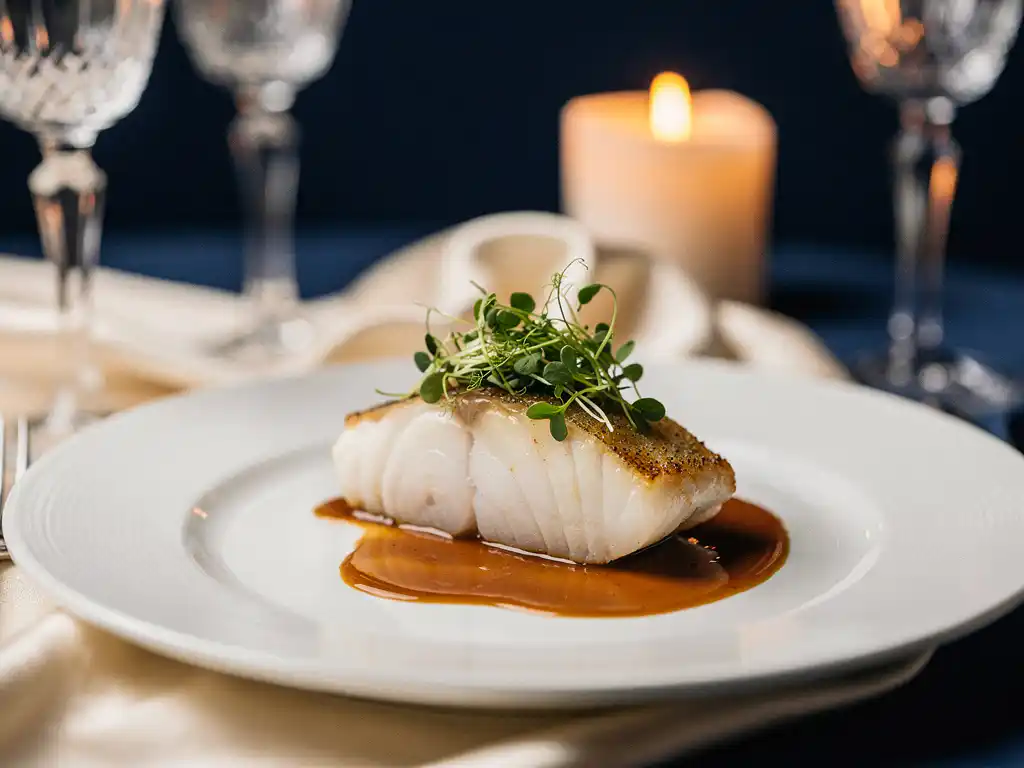
Amsterdam is known for its vibrant culinary scene, from cozy brown cafés to refined dining destinations. For those looking for a special night out, the choice between fine dining in Amsterdam and a regular restaurant isn’t always straightforward. What exactly sets fine dining apart, and when is it worth it? In this article, we answer the most frequently asked questions so you can arrive at the table fully prepared.
What exactly is fine dining and what does it stand for?
Fine dining is a complete culinary experience centered on quality, craftsmanship, and atmosphere. It goes beyond the food itself: the presentation of dishes, the knowledge of the staff, the ambiance of the interior, and the carefully curated wine list all form part of the overall experience. Fine dining is about attention to every detail, from the first amuse-bouche to the final dessert.
The concept has its roots in French cuisine and was traditionally associated with formal etiquette and white tablecloths. Today, fine dining has become broader and more accessible. Many contemporary fine dining restaurants combine a relaxed atmosphere with a high culinary standard, allowing guests to feel at ease while still enjoying something truly special.
What are the biggest differences between fine dining and a regular restaurant?
The biggest differences between fine dining and a regular restaurant lie in the quality of the ingredients, the level of service, the presentation of dishes, and the overall experience. Fine dining uses seasonal and daily-fresh produce, every plate is crafted like a work of art, and each guest receives personal attention from well-trained staff.
Ingredients and preparation
A regular restaurant often works with a fixed menu that changes little, with efficiency playing a major role. Fine dining restaurants rotate their menus regularly — sometimes monthly — based on what the season has to offer. The kitchen works with carefully selected suppliers and prepares dishes using artisanal techniques.
Service and attention
At a regular restaurant, the service is friendly but functional. In a fine dining setting, service is an integral part of the experience. Staff know the origin of every dish, can recommend wine pairings, and anticipate guests’ needs without being asked.
What does a typical fine dining menu look like?
A typical fine dining menu consists of multiple courses, often referred to as a chef’s menu or tasting menu. Guests embark on a culinary journey of four to seven courses, with each dish building on the previous one. A wine pairing, where a complementary wine is served with each course, is a popular addition.
In addition to the multi-course menu, many fine dining restaurants also offer an à la carte option, allowing guests to choose how elaborate they want their dining experience to be. A hallmark of fine dining is dishes built around a single hero ingredient — such as a particular fish or a seasonal vegetable — with the other elements on the plate enhancing that flavor. On the menu of a good fine dining restaurant, you will always find a clear thread running through the flavors and concept.
Why has fine dining in Amsterdam become so popular?
Fine dining in Amsterdam has grown in popularity thanks to a combination of an international audience, a strong local food culture, and a growing community of foodies who consciously choose quality over quantity. Amsterdam attracts millions of visitors each year, including business travelers and tourists seeking a distinctive culinary experience.
In addition, the Dutch capital has produced a new generation of chefs in recent years who blend international cuisines with local and seasonal ingredients. This has made the fine dining scene more diverse and accessible. Neighborhoods such as Amsterdam South have developed into culinary hotspots, in part due to the presence of restaurants that consistently prioritize quality and hospitality.
When should you choose fine dining over a regular restaurant?
Fine dining is the right choice when the occasion or the experience itself takes center stage — not just the food. Think of a romantic dinner, an anniversary, a birthday, a business lunch where you want to make an impression, or a celebratory outing with friends where you want to mark something special.
Fine dining is also the ideal choice for those who want to savor daily-fresh fish, exceptional ingredients, or a multi-course menu with a wine pairing. It is less suited to a quick meal or a casual bite on the go. The added value lies precisely in taking your time, allowing yourself to be surprised, and experiencing the evening as a complete event.
What should you know before visiting a fine dining restaurant?
Before visiting a fine dining restaurant, it’s important to make a reservation in advance, communicate any dietary requirements, and be aware of the dress code and the expected duration of the meal. Fine dining requires a different kind of preparation than a visit to a regular restaurant.
- Reserve early: Popular fine dining restaurants are often fully booked weeks in advance, especially on weekends.
- Share dietary requirements: Whether you’re vegetarian, gluten-free, or have an allergy — always notify the restaurant in advance so the kitchen can prepare accordingly.
- Allow plenty of time: A multi-course menu typically takes two to three hours. Plan your evening around this.
- Ask for guidance: Don’t hesitate to ask staff about the menu or wine list. Their expertise is there to enrich your experience.
- Dress appropriately: Fine dining generally calls for smart-casual attire, though this varies by restaurant.
A fine dining visit is an investment in an unforgettable evening. Those who arrive well prepared will get the most out of the experience.
How Vis aan de Schelde completes your fine dining experience in Amsterdam
We offer exactly what makes fine dining in Amsterdam special: daily-fresh fish, a seasonal menu that changes monthly, and a warm atmosphere in the heart of Amsterdam South. Whether you opt for à la carte or our chef’s menu with a wine pairing, we ensure a complete culinary experience.
- Daily fresh fish and seasonal ingredients as the foundation of every dish
- A monthly rotating chef’s menu, crafted by our kitchen team
- Optional wine pairing with the multi-course menu
- Dishes for fish lovers, vegetarians, and meat lovers alike
- A charming brasserie with a terrace, located opposite the RAI Convention Center
- Personal service where every detail matters
Ready for an unforgettable dinner? Browse our menu and reserve your table in good time — we are a popular destination for everyone looking to enjoy true fine dining in Amsterdam.
Veelgestelde vragen
How far in advance should I make a reservation at a fine dining restaurant in Amsterdam?
For popular fine dining restaurants in Amsterdam, it's advisable to book at least two to three weeks in advance, especially for weekend evenings or special occasions such as Valentine's Day or the holidays. During peak season or at Michelin-recognized restaurants, the wait can extend to several months. Reserve via the restaurant's website or call directly, and mention any dietary requirements or allergies at the time of booking.
What is the difference between a tasting menu and à la carte at a fine dining restaurant?
A tasting menu (also known as a chef's menu) is a set sequence of multiple courses carefully composed by the chef as a culinary journey — you simply sit back and let yourself be surprised. With à la carte, you choose which dishes you want and in what order, offering more freedom but less of the narrative experience that defines a tasting menu. If you want to fully immerse yourself in the fine dining concept, a tasting menu is the most complete option.
Is a wine pairing mandatory at a fine dining dinner?
No, a wine pairing is almost never mandatory and is always an optional addition. You can also choose individual wines by the glass, a bottle of your choice, or non-alcoholic alternatives such as a juice pairing. That said, a well-curated wine pairing adds a great deal to the experience, as the sommelier or staff have specifically selected the wines to complement the flavors of each course.
What if I have an allergy or dietary requirement — can I still enjoy fine dining?
Absolutely. Fine dining restaurants are well accustomed to adapting menus based on allergies, intolerances, or dietary preferences such as vegetarian or gluten-free. It is essential, however, that you communicate this well in advance when making your reservation, so the kitchen has time to prepare suitable alternatives without compromising on quality. If in doubt, also indicate how severe an allergy is, so the staff can take the appropriate precautions.
How strict is the dress code at fine dining restaurants in Amsterdam?
Most fine dining restaurants in Amsterdam follow a smart-casual dress code: think neat trousers, a blouse or button-down shirt, and dress shoes. Strictly formal attire such as a tuxedo is rarely required, but jeans and sneakers generally don't suit the atmosphere. Always check the specific restaurant's website or call ahead to be sure — that way you'll arrive well prepared and feel comfortable right away.
Is fine dining in Amsterdam suitable for a business dinner?
Yes, fine dining is an excellent choice for business dinners. The calm, refined setting provides space for meaningful conversation, while the high level of service and culinary quality leave a strong impression on guests or clients. Many fine dining restaurants in Amsterdam also offer private dining arrangements or reserved spaces for groups, providing extra comfort and discretion for business occasions.
How do I know whether a fine dining restaurant truly delivers on its promises?
Reliable indicators include a Michelin star or listing, a high score on restaurant platforms such as IENS or TripAdvisor, and consistently positive reviews that specifically address the quality of the food and service. Also look at how transparent the restaurant is about the origin of its ingredients and how regularly the menu is updated — these are signs of a kitchen that takes quality and seasonality seriously.