


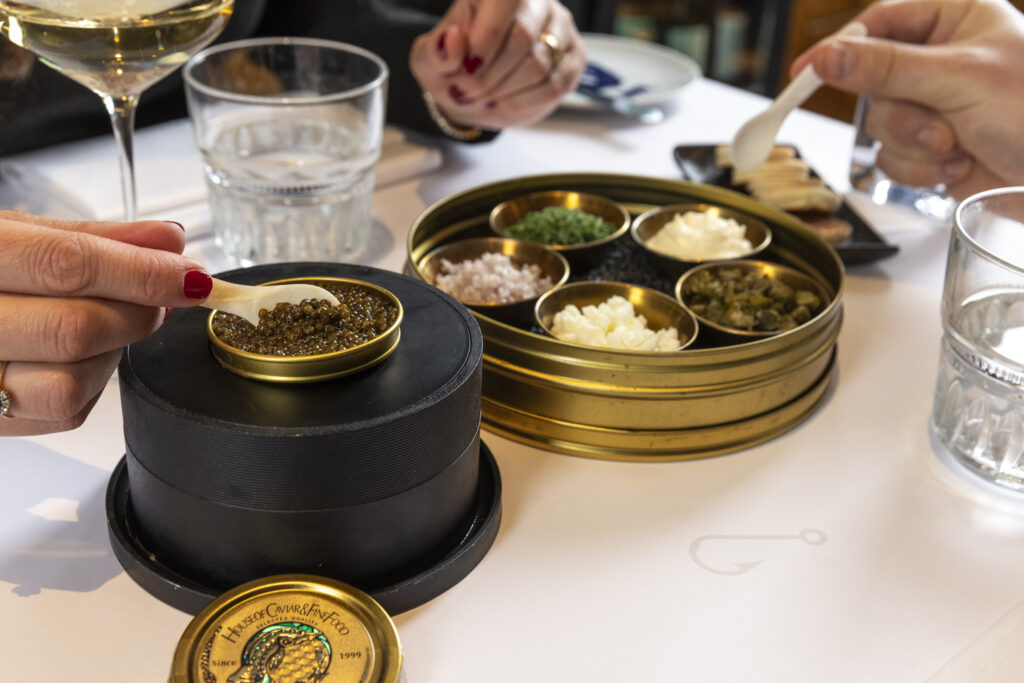
Over the past few decades, Amsterdam has established itself as one of Europe’s most exciting culinary destinations. The city blends a rich trading history with a cosmopolitan population and a deep-rooted love of fresh, seasonal produce. If you’re looking for fine dining restaurants in Amsterdam, you’ll quickly discover that the city has a character entirely its own — one that sets it clearly apart from other major European cities.
In this article, we answer the most frequently asked questions about fine dining in Amsterdam and explain what makes the city such a special culinary destination. From atmosphere to ingredients, and from culture to the practical matter of choosing the right restaurant.
What is fine dining, and what makes it unique in Amsterdam?
Fine dining refers to a gastronomic experience centered on exceptional dishes, refined service, and a carefully crafted atmosphere. In Amsterdam, fine dining distinguishes itself through a more relaxed, accessible approach than in many other European cities — without compromising on quality or creativity.
Where fine dining in cities like Paris or Vienna traditionally comes with strict etiquette and a certain formality, a top restaurant in Amsterdam feels warmer and more personal. Amsterdam restaurateurs value honesty in the kitchen: what ends up on the plate reflects the seasons, the region, and the chef’s craft. This directness is characteristic of Dutch food culture and makes fine dining here accessible to a wide audience.
Amsterdam’s cosmopolitan nature has also allowed it to build a culinary scene that incorporates influences from around the world — from Asian techniques to Nordic flavors — without losing its own identity.
How does the atmosphere in Amsterdam’s fine dining restaurants differ from Paris or London?
The atmosphere in Amsterdam’s fine dining restaurants is noticeably less formal than in Paris or London. In Amsterdam, the guest is at the center of things in a relaxed way: the focus is on the experience of food and company, not on adhering to strict dress codes or ceremonial service.
In Paris, fine dining still revolves strongly around tradition, prestige, and classical French cuisine as a reference point. London’s top restaurants combine international influences with a grandeur that suits the city. Amsterdam deliberately takes a different approach: intimate spaces, personal interaction between guests and staff, and an atmosphere that invites you to unwind.
This is also reflected in the interiors of many Amsterdam fine dining restaurants. Think of characterful canal houses, industrial lofts, or atmospheric neighborhoods like Amsterdam South, where restaurants mirror their surroundings in their décor and the overall feel of the space. The maritime atmosphere of a fish restaurant by the water fits this picture perfectly: authentic, recognizable, and full of character.
What role do seasonal ingredients play in Amsterdam’s restaurant culture?
Seasonal ingredients play a central role in Amsterdam’s restaurant culture. Amsterdam chefs prefer to work with what the season has to offer, which means menus change regularly and guests always receive the freshest produce on their plates.
This approach is not just a culinary choice — it’s also a philosophical one. By working with ingredients at their peak, you respect nature and, as a chef, serve the best possible version of a dish. In the world of fish and seafood, this is especially relevant: certain species are at their finest at specific times of year, and oysters and lobster have their own distinct seasons.
Compared to cities like Madrid or Rome, where cuisine is strongly tied to fixed regional traditions, Amsterdam is more flexible in embracing seasonal changes. This gives chefs the freedom to experiment and guarantees guests that every visit offers a new experience.
What are the key differences between fine dining in Amsterdam and other European cities?
The key differences between fine dining in Amsterdam and other European cities lie in the approach to formality, the emphasis on freshness and seasonality, and the combination of international influences with a straightforward, honest character. Amsterdam opts for accessibility without sacrificing gastronomic depth.
Here are the most notable distinguishing features at a glance:
- Less formal: No strict dress codes or excessive ceremony — just warmth and personal connection.
- Seasonally driven menus: Amsterdam chefs change their menus more frequently than in traditionally minded cities like Paris or Vienna.
- International influences: Thanks to its diverse population, Amsterdam restaurants incorporate global flavors in a natural, effortless way.
- Intimate scale: Many top restaurants in Amsterdam are deliberately kept small, creating an intimate and personal dining experience.
- Sustainability: There is a growing focus on responsible sourcing and minimizing waste, in keeping with the Dutch mindset.
Cities like Copenhagen or Oslo share some of these traits, but Amsterdam adds its own cosmopolitan openness to the mix. That is what makes the city unique in the European culinary landscape.
Why are more and more food lovers choosing Amsterdam as a culinary destination?
More and more food lovers are choosing Amsterdam because the city offers an exceptional combination of culinary quality, accessibility, and a unique urban atmosphere. The blend of acclaimed restaurants, a vibrant food scene, and a compact, easily navigable city makes Amsterdam attractive to both day-trippers and weekend visitors alike.
Amsterdam is also a city where culinary innovation and tradition coexist. You’ll find restaurants that have maintained the same high standards for decades alongside new concepts pushing the boundaries of gastronomy. That diversity draws a broad audience — from classic food connoisseurs to adventurous diners seeking new experiences.
Amsterdam’s location plays a role as well. The city is easily reachable from across Europe and offers not only culinary experiences but also world-class museums, scenic canals, and a vibrant cultural life. A weekend in Amsterdam always combines multiple experiences, with a memorable dinner rounding off the evening perfectly.
How do you choose the right fine dining restaurant in Amsterdam?
Choosing the right fine dining restaurant in Amsterdam comes down to your personal preferences for cuisine, atmosphere, and approach. Consider what you want to eat, what kind of ambiance you’re looking for, and whether you prefer a set menu or ordering à la carte.
A few practical tips to help you decide:
- Define your culinary preference: Fish and seafood, meat, vegetarian, or a mix? Amsterdam offers excellent options for every taste.
- Check the menu in advance: A good restaurant publishes its menu online so you know what to expect.
- Look for seasonality: Restaurants that update their menus regularly typically work with the freshest ingredients.
- Consider the atmosphere: Are you looking for an intimate, romantic setting, or a lively brasserie experience?
- Book ahead: Popular fine dining restaurants in Amsterdam fill up quickly, especially on weekends.
A visit to a renowned restaurant calls for a little preparation, but that investment always pays off in an unforgettable evening.
How Visaandeschelde completes your fine dining experience in Amsterdam
At Visaandeschelde, we know exactly what food lovers are looking for in a fine dining restaurant in Amsterdam. For more than 25 years, we have been welcoming guests to our atmospheric brasserie on Scheldeplein in Amsterdam South, where fresh fish and seasonal produce take center stage every day. What sets us apart:
- A menu that moves with the seasons, including rotating oysters, lobster, and our signature dish Vis Exclusief.
- A monthly changing Chef’s menu with an optional wine pairing, curated by our kitchen team.
- Dishes featuring fish, meat, and vegetarian options, so everyone at the table finds something to love.
- A warm, maritime atmosphere that invites relaxed enjoyment, with a terrace for outdoor dining.
- Personal attention from restaurateur Michiel Deenik and his team, who work exclusively with the finest fresh ingredients.
Curious about what we’re currently serving? Browse our current menu and book ahead — our tables fill up fast. We look forward to welcoming you for an unforgettable fine dining experience in Amsterdam South.
Veelgestelde vragen
Is there a dress code at fine dining restaurants in Amsterdam?
Most fine dining restaurants in Amsterdam do not enforce a strict dress code, but smart casual attire is always a safe choice. Think neat trousers, a shirt or blouse — you don’t need to wear a suit or evening gown. It’s worth checking the restaurant’s website or giving them a quick call if you’re unsure, as each restaurant has its own expectations.
How far in advance should I make a reservation at a top restaurant in Amsterdam?
For popular fine dining restaurants in Amsterdam, it’s advisable to book at least two to four weeks in advance, especially for weekend evenings and public holidays. During busy periods such as summer or the festive season, the wait may be even longer. If you’re booking for a special occasion such as a birthday or anniversary, mention it at the time of reservation so the restaurant can make appropriate arrangements.
What is the difference between a chef's menu and ordering à la carte at a fine dining restaurant?
With a chef’s menu, you don’t choose your own dishes — instead, you let the chef take you on a culinary journey through multiple courses that are thematically and flavor-wise designed to complement each other. This is the best way to fully experience the chef’s vision and craftsmanship. Ordering à la carte gives you more freedom to put together your own combination, which is ideal if you have specific preferences or dietary requirements.
Is fine dining in Amsterdam suitable if you have allergies or dietary requirements?
Yes, most serious fine dining restaurants in Amsterdam accommodate allergies and dietary requirements, provided you inform them in advance when making your reservation. Good restaurants offer alternatives for common allergens such as gluten, nuts, or shellfish. Always communicate your needs well ahead of time so the kitchen has sufficient time to prepare a satisfying and flavorful alternative.
How can I tell whether a restaurant genuinely uses fresh, seasonal ingredients?
A reliable sign is a menu that changes regularly — restaurants that truly work seasonally update their menu several times a year and often indicate the origin of their ingredients. Check whether the restaurant is transparent about its suppliers or partnerships with local producers. Another good indicator is whether the staff can enthusiastically and knowledgeably tell you about the provenance and preparation of the dishes on the menu.
What is a wine pairing, and is it worth choosing?
A wine pairing means that a specially selected wine is served alongside each course of your menu to enhance and complement the flavors of the dish. It is curated by a sommelier or the kitchen team and adds a more complete culinary narrative to the meal. It is definitely worth it if you want to enjoy the full gastronomic experience, though you can also opt for a non-alcoholic pairing if you don’t drink wine.
Can I visit a fine dining restaurant in Amsterdam for a business dinner or group event?
Absolutely — many fine dining restaurants in Amsterdam are well suited to business dinners, birthday celebrations, or other group gatherings. Contact the restaurant in advance to discuss the options, such as a private dining room, a customized menu, or special arrangements. Keep in mind that larger groups generally need to book earlier and that minimum spend agreements may sometimes apply.
Gerelateerde artikelen
- Waar kun je zonnig borrelen met visgerechten?
- 9 redenen om vanavond te reserveren bij een visrestaurant in Amsterdam
- 7 beste visrestaurants in Amsterdam voor een bijzonder diner
- Wat zijn de beste visgerechten om te proberen in een restaurant in Amsterdam?
- Kun je zonnig borrelen met schaal- en schelpdieren?