


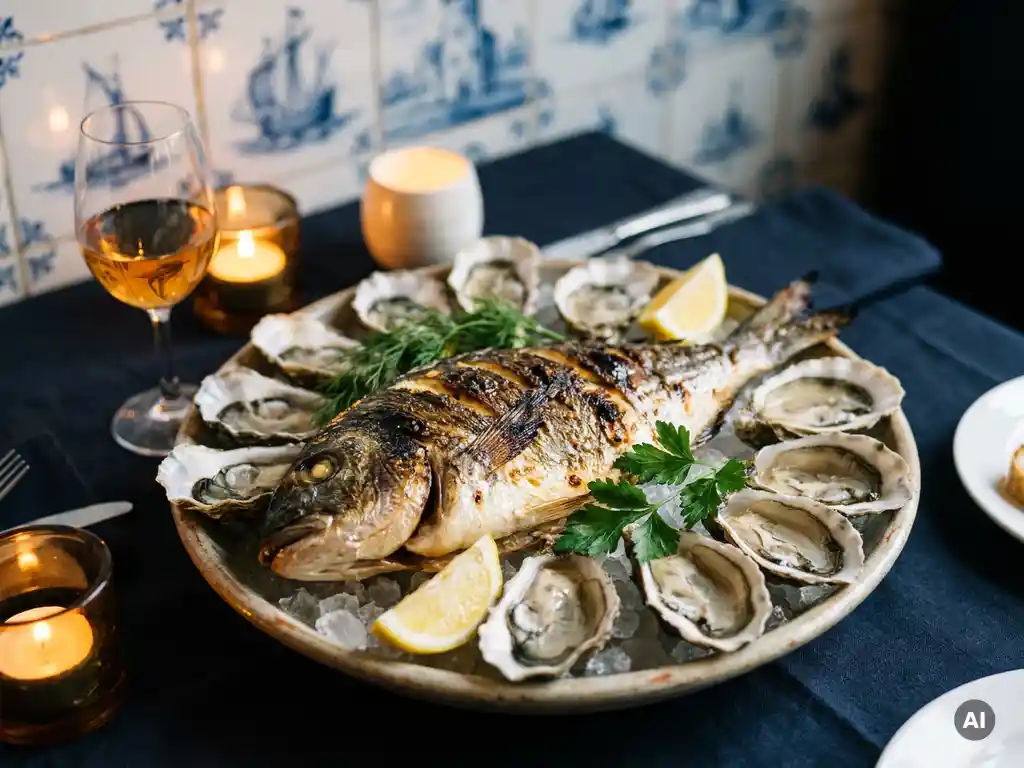
Amsterdam is renowned for its rich culinary scene, but those who truly want to enjoy the sea on their plate seek out a fish restaurant in Amsterdam that goes beyond a standard seafood dish. A genuine fish restaurant experience is about much more than what’s on your plate: it’s about the atmosphere, the seasons, the expertise, and those moments that stay with you long after the meal. Below you’ll find eleven experiences that make dining at a great fish restaurant truly unforgettable.
What sets a fish restaurant in Amsterdam apart
Not every restaurant that serves fish is a fish restaurant in the true sense of the word. A standout fish restaurant in Amsterdam builds its entire concept around the sea: daily fresh deliveries, a menu that moves with the seasons, and a team that knows the origin and preparation of every product inside and out. The city’s location, with its rich trading history and connection to the North Sea and beyond, makes Amsterdam ideally suited for restaurants that treat fish as the star of the show.
1: Daily fresh fish that shapes the menu
The freshness of fish is not a detail — it’s everything. In a great fish restaurant, what arrives that morning determines what’s on the menu that evening. That requires a kitchen that works flexibly and suppliers who deliver the best catch every single day.
This gives every dinner a unique character. You never know exactly what you’ll find, but you do know it will be at its very best. Fresh fish has a subtle flavor that needs no disguise: good preparation, the right herbs, and careful presentation are all it takes.
For guests who value quality over quantity, this is the heart of the experience. You eat what the sea and the season have to offer at that moment — not what was stocked a month ago.
2: Tasting oysters like a true connoisseur
Oysters are a barrier for many people, but once you’ve learned to taste them properly, there’s no going back. A good oyster has a complex flavor that ranges from salty and briny to lightly sweet or nutty, depending on its origin.
At a fish restaurant that takes oysters seriously, you’ll find several varieties side by side: flat Zeeland oysters, Fines de Claire, Gillardeau, or seasonal varieties. The staff can guide you through your choice and explain the differences in flavor and texture.
Oysters are ideal as a starter for a more elaborate dinner or as a light pleasure on their own, perhaps accompanied by a glass of dry white wine or champagne. They call for attention and a relaxed atmosphere — two things a great fish restaurant provides.
3: A seasonal menu that surprises
A menu that stays the same all year tells you very little about the passion behind the kitchen. A seasonal menu, on the other hand, shows that the restaurant moves with nature and is willing to continually explore new combinations.
In winter, different species take center stage than in summer. Certain types of fish are at their best in specific months, and a good chef knows exactly when to put what on the menu. That creates a sense of surprise for returning guests and tells an honest story to everyone at the table.
A seasonal menu invites you to come back more often. What you ate in April no longer exists in October, and that makes every reservation a new adventure.
4: The perfect wine pairing with fish
Wine and fish are a classic combination, but the nuances are endless. A dry Muscadet pairs differently with oysters than a rich Burgundy does with grilled sea bass. A well-curated wine list at a fish restaurant is put together with exactly those combinations in mind.
Wine pairing with a multi-course menu adds an extra dimension to every course. The acidity of a white wine can cut through the richness of a creamy bisque, while a light red wine can work surprisingly well with heartier fish dishes like tuna or swordfish.
For guests who are less at home in the world of wine, a pairing offers the chance to discover without having to choose. A good sommelier or host explains why a particular wine suits a dish, making the dinner both educational and delicious.
5: Fruits de mer as a table spectacle
A plateau of fruits de mer is more than a dish: it’s a statement. A large platter filled with oysters, shrimp, crab, mussels, whelks, and other seafood placed in the center of the table sets the tone for a festive dinner.
The communal nature of fruits de mer makes it ideal for groups or special occasions. Everyone reaches, tastes, and shares, creating a relaxed, social atmosphere that’s hard to match with individual dishes.
Presentation plays a major role: a beautifully assembled platter with ice, lemon, sauces, and bread looks impressive and invites you to dive right in. It’s one of those dishes people remember long after the dinner is over.
6: Lobster on the menu — a celebration
Lobster is a symbol of celebration. Whether it’s a birthday, an anniversary, or simply an evening when you want to treat yourself: lobster on the menu instantly gives a dinner a special quality.
Preparing lobster takes real skill. Overcooked and the meat becomes rubbery; undercooked and it’s not at its best. A skilled fish restaurant chef knows exactly how to let the sweet, tender lobster meat shine — whether grilled, in a sauce, or prepared another way.
Lobster is also seasonal: at certain times of year, the quality is at its peak. A restaurant that keeps track of this and only serves lobster when it’s at its finest shows respect for the product and for its guests.
7: A chef’s menu full of surprises
A chef’s menu gives the kitchen the freedom to show what it’s truly capable of. Instead of choosing for yourself, you trust the team to put together a cohesive sequence of dishes that complement each other and build toward a highlight.
This format works particularly well at a fish restaurant, because it gives the chef the space to introduce lesser-known fish species or try unexpected combinations. Guests discover dishes they might never have ordered on their own.
A monthly rotating chef’s menu ensures that regular guests always experience something new. It’s also an excellent way to truly get to know a restaurant: you see the personality of the kitchen at its very best.
8: The maritime atmosphere as an experience
Atmosphere is not a secondary concern in a restaurant — it’s the context in which the food takes on its meaning. In a fish restaurant, a thoughtfully designed maritime interior contributes to the feeling that you’re somewhere truly special.
Think of details like anchors, fish illustrations, scale patterns on the windows, or a blue-and-white color palette. Such elements don’t need to be overdone to be effective. Applied subtly and stylishly, they reinforce the identity of the restaurant without tipping into kitsch.
A great atmosphere makes guests linger longer, relax more fully, and enjoy more deeply. It’s the setting that supports the story of the food and turns the evening as a whole into an experience.
9: Dining on the terrace in Amsterdam South
Eating outside in Amsterdam has something magical about it, especially on a summer evening. A terrace in a quiet neighborhood like Amsterdam South offers that combination of city life and relaxation that’s hard to beat.
Eating on a terrace feels different from dining indoors: the pace is a little slower, conversation flows more easily, and the atmosphere is lighter. For lunch or an early dinner, a terrace is one of the most pleasant spots to enjoy fresh fish and a good glass of wine.
The Rivierenbuurt, with its wide streets and relatively quiet traffic, is perfectly suited for outdoor dining. The terrace is one of the reasons guests are happy to make a reservation even during the warmer months.
10: Vis Exclusief — the dish of the day
A rotating daily dish based on the finest catch of the moment is one of the most honest ways to serve fish. It gives the chef the freedom to work with what’s at its best, and it gives the guest the assurance that real thought has gone into what’s on the plate.
A dish like this asks for trust from the guest: you don’t know exactly what you’ll get in advance. But that trust is rewarded with a dish entirely dedicated to quality and season, without compromise.
It’s also an invitation to step outside your comfort zone. Perhaps it’s a fish species you’ve never tried before, or a preparation that surprises you. That element of discovery is what makes dishes like this some of the most memorable parts of a dinner.
11: Making a reservation for an unforgettable evening
A popular fish restaurant in Amsterdam has loyal regulars who come back time and again. That means walking in on a whim is rarely the best strategy. Making a reservation gives you the certainty that a table will be ready for you at the moment you want to enjoy your evening.
A reservation is also a way to plan the evening with intention. You can let the restaurant know in advance if it’s a special occasion, whether there are any dietary requirements, or if you’d like to sit outside. That gives the restaurant the opportunity to make the evening personal for you.
For special moments like a birthday, a romantic dinner, or a business occasion, booking ahead isn’t a luxury — it’s a must. That way, you can be sure the evening starts exactly as you want it to.
Turn your next dinner into a memory
An unforgettable dinner at a fish restaurant in Amsterdam is the result of multiple elements coming together: daily fresh produce, culinary craftsmanship, an atmosphere that feels right, and a host who knows what guests need. None of these things can be taken for granted, but with us, they are at the heart of everything we do.
At Visaandeschelde, we have been bringing exactly these elements together for over 25 years for guests who choose a truly exceptional culinary experience. Here is what we offer:
- Daily fresh fish that shapes the menu anew each day
- Seasonal dishes including oysters, lobster, and fruits de mer
- A monthly rotating chef’s menu with optional wine pairing
- The rotating Vis Exclusief dish as the culinary surprise of the day
- An authentic maritime atmosphere in the Rivierenbuurt in Amsterdam South
- A terrace for those who want to dine outside
- Options for vegetarians and meat lovers, so everyone at the table is welcome
Browse our menu for a taste of what we serve, and be sure to reserve your table in time. We look forward to welcoming you for an evening you’ll remember for a long time to come.
Veelgestelde vragen
How far in advance should I make a reservation at a popular fish restaurant in Amsterdam?
For a weekday evening, booking two to three days ahead is generally sufficient, but for weekends, public holidays, or special occasions such as a birthday or anniversary, we recommend reserving at least one to two weeks in advance. Popular fish restaurants in Amsterdam have loyal regulars who return frequently, meaning tables fill up quickly. Booking early also gives you the chance to pass on any preferences right away, such as a terrace seat or a specific table arrangement.
I'm not a big fish eater — is a fish restaurant still worth visiting?
Absolutely. A good fish restaurant offers far more variety than you might expect: from mild, delicate fish to richer seafood and meat dishes for those who prefer to skip the fish altogether. Beyond that, the atmosphere, the seasonal menu, and the overall culinary experience are worthwhile in their own right. It’s also an excellent opportunity to discover new flavors with the guidance of knowledgeable staff, in an environment that makes that exploration feel safe and enjoyable.
What is the difference between the various oyster varieties on the menu, and how do I choose the right one?
Oyster varieties differ considerably in flavor, texture, and origin: a flat Zeeland oyster is more intense and nutty in flavor, while a Fine de Claire is softer and creamier with a lightly sweet finish. A Gillardeau is known for its meaty texture and refined taste. The best advice is to ask the staff for a brief explanation, or to order a selection of several varieties so you can taste the differences for yourself — that’s the most enjoyable way to discover the world of oysters.
Is a chef's menu suitable if I have allergies or dietary requirements?
Yes, as long as you clearly communicate this at the time of booking or no later than upon arrival. A professional kitchen will in most cases adapt the chef’s menu to accommodate allergies, intolerances, or other dietary needs, without compromising the quality or coherence of the menu. The earlier you let them know, the better the restaurant can prepare to give you a full and equal experience.
Which wine pairs best with a plateau of fruits de mer?
A dry, crisp white wine is the classic choice with a fruits de mer platter: think Muscadet sur Lie, Chablis, or Picpoul de Pinet. The high acidity and minerality of these wines complement the briny, iodine-rich flavors of oysters, shrimp, and crab without overpowering their delicate tastes. Not sure which to choose? Ask the sommelier or host for advice — they know the wine list inside and out and will be happy to help you find the perfect match.
How do I know whether the fish at a restaurant is truly fresh and not frozen?
A reliable sign is a menu that changes regularly or a daily specials board with a limited selection: a restaurant that works with daily fresh fish simply cannot offer dozens of fixed fish dishes year-round. Feel free to ask the staff which fish came in fresh that day and where it was sourced or caught — transparency about provenance is a hallmark of restaurants that take quality seriously. Fresh fish also has a neutral, mild smell and a clean presentation free of heavy sauces designed to mask any shortcomings in flavor.
What makes dining at a fish restaurant in Amsterdam South different from dining in the city center?
Amsterdam South, and the Rivierenbuurt in particular, offers a quieter and more relaxed dining experience than the busy city center: fewer tourists, more space, wider streets, and a neighborhood feel that gives the dinner a personal character. Restaurants in this area often have a loyal local clientele, which benefits both quality and consistency. The peaceful surroundings also make terrace dining in summer especially pleasant, without the noise and crowds you might encounter in the inner city.
Gerelateerde artikelen
- Wat maakt een visrestaurant in Amsterdam Zuid geschikt voor een zakelijk etentje?
- Welk zonnig terras is geschikt voor een verjaardag?
- Waar kunnen congresbezoekers terecht op een zonnig terras?
- Wat is het verschil tussen kreeft en andere schaaldieren op een menukaart?
- Wat is de beste wijk in Amsterdam voor fine dining?