


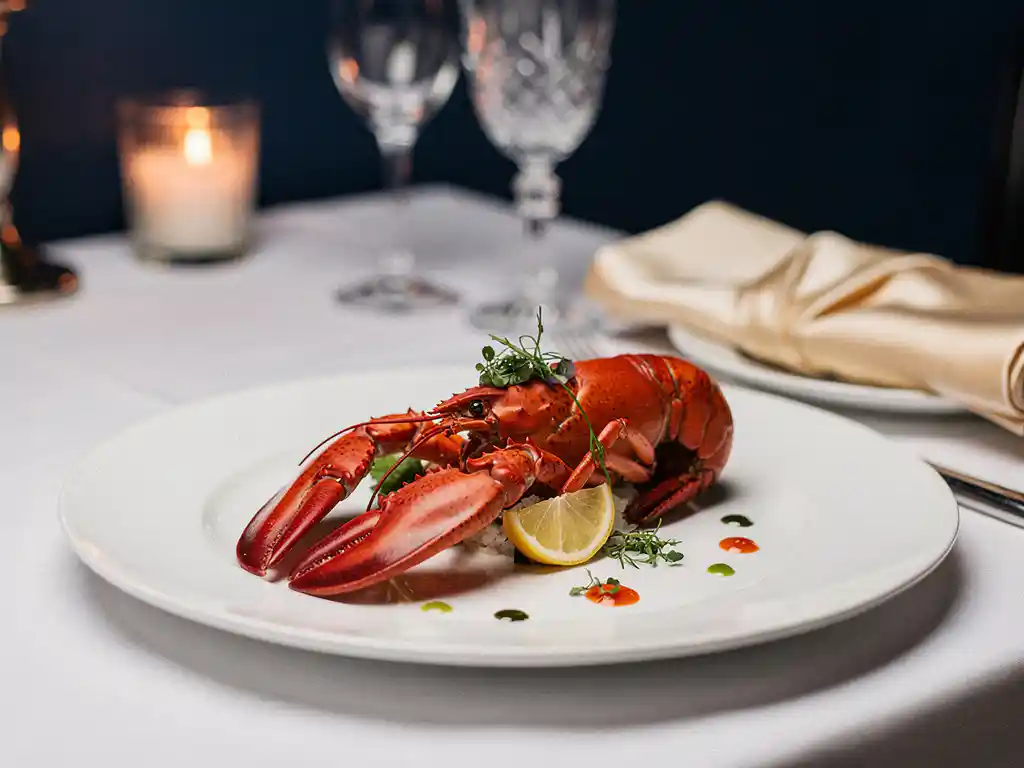
Fine dining in Amsterdam is more than a night out. It is a complete culinary experience where every detail matters, from the quality of the ingredients to the way a dish is presented. Whether you are looking for a special dinner occasion or simply want to understand what fine dining actually involves, this article answers the most frequently asked questions. Want to find out who we are first? Read more on our about us page.
Amsterdam has a rich restaurant scene with dozens of establishments that position themselves as fine dining. But what truly makes a restaurant fine dining? And how do you choose the right restaurant for your occasion? Below you will find clear answers to the questions that really matter.
What is fine dining and what does it actually involve?
Fine dining is a restaurant experience centered on quality, craftsmanship, and attention to detail. It is about more than good food: the service, the atmosphere, the presentation of dishes, and the careful selection of ingredients together create a cohesive experience that takes the guest on a journey from start to finish.
In practice, fine dining means a restaurant makes deliberate choices at every level. The kitchen works with fresh, high-quality produce, the service is knowledgeable and attentive, and the interior contributes to an atmosphere that turns dinner into a truly special occasion. Fine dining is not about exclusivity for its own sake, but about genuine attention to the guest and the dish.
The concept has also taken on a broader meaning in recent years. Where fine dining once almost always came with rigid etiquette and formal dress codes, many modern fine dining restaurants in Amsterdam have embraced a warmer, more accessible approach without compromising on quality.
What characteristics set a fine dining restaurant apart?
A fine dining restaurant distinguishes itself through a combination of characteristics that together create a high-quality dining experience. The key elements are: daily fresh ingredients, a thoughtfully composed menu, professional service, attention to presentation, and an atmosphere that matches the restaurant’s culinary ambitions.
More specifically, at a fine dining restaurant you can expect:
- A menu that changes regularly based on the season and availability
- Dishes composed with craftsmanship and creativity
- Service staff who are knowledgeable about the menu, the ingredients, and wine pairings
- An interior that has been deliberately designed to support the atmosphere
- Attentiveness to guests with specific dietary requirements or allergies
What sets fine dining apart from an ordinary restaurant is consistency. Every visit must deliver the same high standard, regardless of the day of the week or the season. That requires a strong kitchen team and a clear vision from the restaurateur.
What is the difference between à la carte and a tasting menu?
With à la carte, you choose which dishes to order from a fixed menu. With a tasting menu, the kitchen sets a fixed sequence of courses, taking you as a guest on a cohesive culinary journey. Both options are common in fine dining restaurants, but they offer a different experience.
À la carte gives you freedom and flexibility. You decide how many courses you have, which flavors you combine, and how long you spend at the table. This is ideal if you want to try a specific dish or if the group has varying preferences.
A tasting menu, such as a chef’s menu, lets you experience the kitchen’s story exactly as the chef intended. The dishes are aligned in flavor, texture, and presentation. Many fine dining restaurants also offer an optional wine pairing alongside it, with each course accompanied by a complementary wine. This deepens the tasting experience considerably.
Which option you choose depends on your mood and the occasion. For an elaborate, celebratory dinner, most guests opt for a tasting menu. For a business lunch or a spontaneous visit, à la carte is often more practical.
Why does seasonal cooking play a role in fine dining?
Seasonal cooking is a core element of fine dining because it directly affects the quality of every dish. Ingredients harvested or caught at the right time of year are at their most flavorful, freshest, and most nutritious. A kitchen that follows the seasons always works with the best that nature has to offer at that moment.
This is especially true for fish restaurants. The availability of certain fish species, shellfish, and oysters varies throughout the year. By aligning the menu accordingly, a fine dining restaurant ensures that every dish is served at the peak of its flavor. A lobster in season tastes fundamentally different from one that is out of season.
Seasonal cooking also carries a broader significance. It pushes a kitchen toward creativity, as the chef must constantly devise new combinations using whatever ingredients are available. This keeps the menu dynamic and gives regular guests a fresh reason to return.
What should you look for when choosing a fine dining restaurant in Amsterdam?
When choosing a fine dining restaurant in Amsterdam, look at the freshness of the ingredients, the reputation of the restaurant, the atmosphere that suits your occasion, and the flexibility of the menu. A good restaurant also offers options for guests with dietary requirements and has a knowledgeable team that can guide you through your choices.
Practical points to consider when making your choice:
- Does the menu change regularly? A static menu can be a sign that less attention is paid to seasonal cooking.
- Is a wine pairing available? This is a hallmark of a restaurant with genuine culinary ambition.
- How does the restaurant handle allergies and dietary requirements? Fine dining restaurants are generally well-equipped for this, but it is wise to check in advance.
- Is a reservation required? Popular fine dining restaurants in Amsterdam fill up quickly, so book ahead.
- What is the atmosphere of the restaurant? Does the ambiance suit your occasion, whether you are looking for something romantic, relaxed, or formal?
Also read reviews from other guests, but pay attention to whether the feedback is specific and recent. A restaurant that consistently scores highly on the quality of its fish, service, and atmosphere is a reliable choice for a special dinner.
What occasions is fine dining in Amsterdam suitable for?
Fine dining in Amsterdam is suitable for almost any occasion where you want to invest in a special dining experience. Think romantic dinners, birthdays, anniversaries, business lunches, family celebrations, and outings with friends who appreciate great food. The combination of atmosphere, quality, and service makes fine dining ideally suited to moments you want to remember.
For business occasions, fine dining provides a professional setting that lends weight to a conversation. The calm, refined atmosphere invites good conversation without the distraction of a busy brasserie. For personal celebrations, the dinner adds an extra dimension to the moment: you are not just sitting at a table, you are sharing an experience together.
Fine dining has also become increasingly accessible. Many restaurants offer menu options at various price points, so you decide how elaborate you want your experience to be. Ultimately, it is about making sure the dinner matches what you want from the evening.
How we shape your fine dining experience in Amsterdam
At Visaandeschelde, we bring together everything that makes fine dining in Amsterdam special. Every day we work with the freshest fish and seasonal produce, so that every dish is at its very best when it arrives at your table. Specifically, we offer:
- A daily changing selection of fresh fish, oysters, and fruits de mer
- A monthly changing chef’s menu with an optional wine pairing
- À la carte dishes, including the ever-surprising “Vis Exclusief” dish
- Options for vegetarians, meat lovers, and guests with specific dietary requirements
- A warm brasserie in the Rivierenbuurt neighborhood in Amsterdam South, with a terrace
Whether you are planning a romantic dinner, have a business appointment, or want to celebrate a birthday, we will make sure it is an evening to remember. View our menu and book ahead, as we fill up quickly.
Veelgestelde vragen
How far in advance should I make a reservation at a fine dining restaurant in Amsterdam?
For popular fine dining restaurants in Amsterdam, it is advisable to reserve at least one to two weeks in advance, especially for weekend evenings or public holidays. For special occasions such as Valentine’s Day, Christmas, or New Year’s Eve, the wait can stretch to several weeks. If you are booking for a larger group or a special occasion, it is smart to do so as early as possible and to mention any dietary requirements at the time of booking.
What is a wine pairing and is it really worth it?
A wine pairing is a selection of wines chosen specifically by the sommelier to enhance and complement the flavor of each course. With each course, you receive a glass of wine that complements the ingredients and preparation of the dish. For those who want to enjoy a complete culinary experience, a wine pairing is absolutely worth it: it deepens the tasting experience considerably and takes the decision-making out of your hands. If you prefer to choose for yourself or do not drink alcohol, many fine dining restaurants also offer a non-alcoholic pairing.
What should I wear to a fine dining restaurant in Amsterdam?
Most modern fine dining restaurants in Amsterdam no longer enforce a strict dress code, but smart casual is a safe and well-regarded choice. Think neat clothing appropriate for a special evening, without needing to arrive in a tuxedo. It is always a good idea to check the restaurant’s website or ask when making your reservation whether any specific dress requirements apply, so you arrive well prepared.
Can I visit a fine dining restaurant if I have an allergy or dietary requirement?
Yes, good fine dining restaurants are accustomed to welcoming guests with allergies, intolerances, or specific dietary requirements and will adapt their menu professionally. It is essential, however, to inform the restaurant well in advance when making your reservation, so the kitchen has sufficient time to prepare a suitable alternative. State your requirements as specifically as possible so that the kitchen team can take them fully into account.
How long does a typical fine dining dinner last?
A fine dining experience is intentionally designed to take its time, and a tasting menu typically lasts two to three hours. This is not a drawback but a deliberate choice: the pauses between courses give you the space to savor each dish, catch up with your company, and fully absorb the experience. Plan your evening generously, especially if you have somewhere to be afterward, and bear in mind that an extensive chef’s menu with wine pairing can run closer to three to four hours.
Is fine dining in Amsterdam suitable for children?
It depends on the specific restaurant and the age of the children. Some fine dining restaurants in Amsterdam welcome families with children and offer separate options or smaller portions, while others focus more on a calm, adult atmosphere. It is advisable to discuss this when making your reservation, so the restaurant can advise you properly and make any adjustments needed to ensure an enjoyable dinner for everyone.
What is the difference between a Michelin-starred restaurant and a fine dining restaurant without a star?
A Michelin star is an international accolade awarded by the Michelin Guide to restaurants that perform exceptionally in terms of cuisine, consistency, and craftsmanship. However, a fine dining restaurant without a star can offer an equally high-quality and memorable experience: the absence of a star says nothing about the quality of the ingredients, the creativity of the chef, or the warmth of the service. When choosing a restaurant, do not let stars be your only guide — look instead at recent reviews, the menu philosophy, and the atmosphere that suits your occasion.