


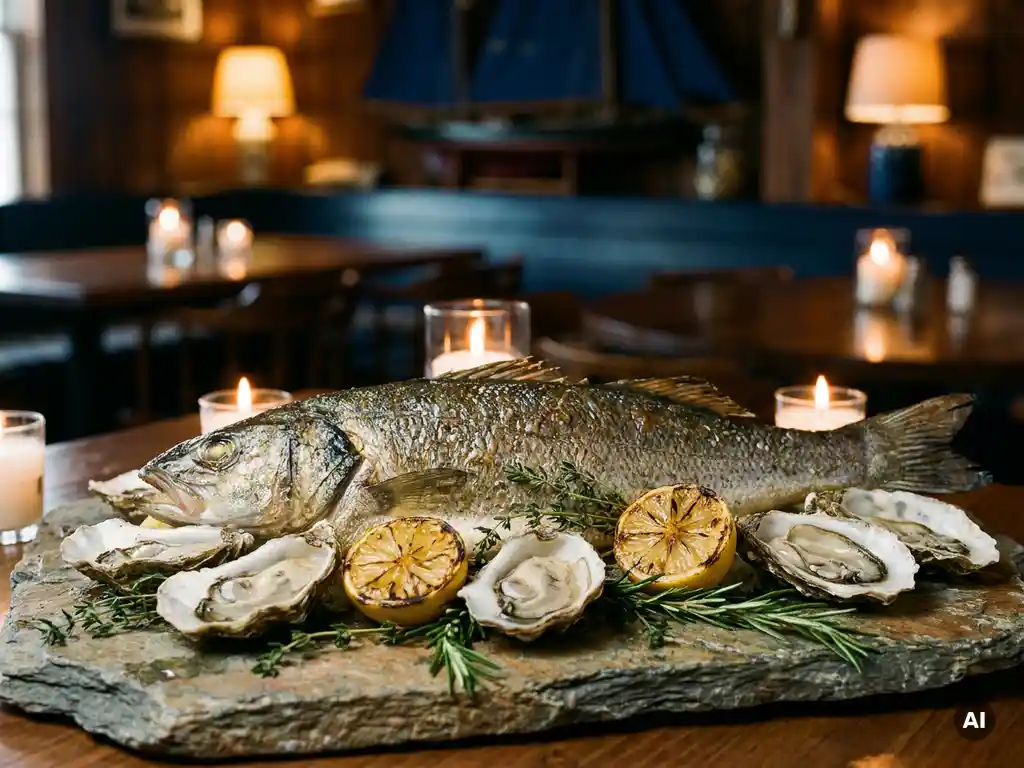
Amsterdam is renowned for its rich culinary culture, and if you love fish, this city is truly the place to be. From classic Dutch flavors to refined international preparations, a seafood restaurant in Amsterdam offers a world of culinary experience unlike anywhere else. But which dishes should you absolutely not miss? We take you through nine seafood highlights that every fish lover must try at least once.
Why Amsterdam is the perfect city for seafood lovers
Amsterdam has a long history as a port city, and those maritime roots are still deeply felt in its food culture. The city attracts top chefs who work with daily-fresh fish and shellfish, combining that with influences from French, Belgian, and international cuisines. Whether you’re a seasoned foodie or simply enjoy a great piece of fish, Amsterdam has a seafood destination to suit every level and every occasion. Below you’ll find the nine dishes that no seafood restaurant should be without.
1: Oysters as the ultimate start to your dinner
Oysters are the undisputed symbol of refined seafood dining. Served raw on ice, often accompanied by a squeeze of lemon juice or a light mignonette, they awaken the palate with a fresh, briny quality that pairs perfectly with the rest of your meal.
What makes oysters so special is the tremendous variety in flavor profile. Depending on their origin, the season, and the farming method, you can detect nuances of sweetness, nuttiness, or intense salinity. At a good seafood restaurant, the oyster selection changes with the seasons, ensuring you always get the best quality on your plate.
Oysters are the ideal celebratory opener for a special dinner. They pair beautifully with a glass of dry champagne or a crisp Muscadet, and immediately set the tone for an evening of culinary indulgence.
2: Fruits de mer — a feast on a single platter
A plateau of fruits de mer is more than a dish: it’s a complete seafood experience on one platter. Think oysters, shrimp, crab claws, mussels, cockles, and sometimes lobster, all elegantly presented on a bed of crushed ice. It’s a dish that invites you to slow down, savor, and share.
The strength of fruits de mer lies in the combination of textures and flavors. Each element demands its own approach: some you eat raw, others are steamed or cooked. That makes the tasting itself an adventure.
This dish is ideal for a festive evening with friends or family, or when you want to discover several types of seafood at once. A well-chosen wine pairing — such as a dry white Burgundy or a Chablis — completes the experience.
3: Lobster, the showpiece of any seafood restaurant
Lobster is, and always will be, the showpiece of the seafood kitchen. Whether served grilled, steamed, or in a rich bisque, the flavor is intense, full-bodied, and unmistakable. A well-prepared lobster dish is a statement of craftsmanship and quality.
Fresh lobster calls for minimal preparation to allow the natural sweetness and firm texture of the meat to shine. A simple butter sauce, a few fresh herbs, and a good glass of white wine are often all that’s needed to let this ingredient truly dazzle.
Lobster is the perfect dish for a special occasion — a birthday, a romantic dinner, or a moment when you truly want to treat yourself or someone else. In Amsterdam, there are seafood restaurants that offer lobster year-round, but in season the quality is at its very best.
4: Daily fresh fish from the board — simple and pure
Sometimes the simplest preparation is the most delicious. A piece of daily-fresh fish, grilled or pan-fried with a little butter, lemon, and herbs, lets the quality of the ingredient speak entirely for itself. Dishes like this immediately reveal whether a restaurant is truly working with top-quality produce.
The key lies in freshness. Fish that arrives in the morning and lands on your plate in the evening has a flavor and texture that simply cannot be matched. Many of Amsterdam’s best seafood restaurants therefore work with a daily-changing menu, depending on what the market has to offer that day.
This dish is ideal for those who want to taste the pure flavor of fish without distracting sauces or complex garnishes. It appeals equally to purists and to guests who are discovering truly great fish for the first time.
5: Ceviche and tartare — fish at its most raw
Ceviche and tartare are the refined way to serve fish in its most raw form. In ceviche, the fish is marinated in citrus juice, which effectively “cooks” it without heat. Tartare is finely chopped and seasoned with ingredients such as capers, shallot, and mustard.
Both preparations demand exceptionally fresh fish of the highest quality, since there is no heat to mask any shortcomings. They offer a vibrant, fresh flavor experience that works perfectly as a light lunch or as a starter on a warm evening.
Ceviche and tartare are popular with foodies looking for something more exciting than classic preparations. They show that a seafood restaurant can be creative and contemporary without ever losing sight of the quality of its main ingredient.
6: Mussels — a Dutch seafood classic
Mussels are perhaps the most iconic seafood dish of the Low Countries. Steamed in a large pot with white wine, onion, celery, and parsley — simple, honest, and absolutely delicious. They belong in every good seafood restaurant and are a dish that brings people together.
What makes mussels so appealing is their accessibility. They are relatively affordable, easy to share, and pair wonderfully with fries and a good glass of white wine or a cold beer. Yet a good preparation still requires care: the mussels must be fresh and the broth well-seasoned.
Mussels are an excellent choice for those who enjoy authentic Dutch flavors, or for guests who are being introduced to seafood for the first time. They are also popular with children and families, making them a versatile dish for any occasion.
7: Sea bass or turbot — noble white fish
Sea bass and turbot are among the most prized white fish in European cuisine. Their flesh is firm, fine-textured, and has a mild, elegant flavor that pairs well with both light and richer sauces. At a good seafood restaurant, they are often served as a main course with seasonal vegetables and a classic beurre blanc.
Turbot is known for its exceptionally rich flesh, which makes it particularly succulent when cooked. Sea bass is slightly leaner but has a distinctive flavor that makes it a favorite among connoisseurs. Both fish lend themselves beautifully to refined preparation.
These noble white fish are the ideal choice for guests seeking an elegant main course that impresses without being excessive. They fit perfectly into a multi-course menu and are a sign that a restaurant is genuinely serious about the quality of its offering.
8: Shrimp croquette — the perfect bar snack
The shrimp croquette is a Dutch classic that deserves a permanent place in every good seafood restaurant. A crispy coating surrounds a creamy filling of fresh North Sea shrimp, and the result is a bite that combines comfort food with culinary refinement.
The secret of a great shrimp croquette lies in the quality of the shrimp and the balance of the ragout. Too much sauce and it becomes mushy; too little and the flavor disappears. A perfectly executed shrimp croquette is crunchy on the outside, creamy on the inside, and has a pronounced flavor of the sea.
This snack is ideal as an aperitif with a glass of white wine or as a light bite alongside a salad. It’s also a wonderful way to introduce guests who are less experienced with seafood to the flavors of the sea, in a familiar and approachable form.
9: Fish soup or bouillabaisse as a heartwarming finale
A rich fish soup or a classic bouillabaisse is the ultimate comfort dish of the seafood kitchen. Made from a slowly simmered stock of fish bones, shellfish, and vegetables, enriched with pieces of fresh fish, mussels, and shrimp — it’s a dish that radiates warmth and depth.
Bouillabaisse has its roots in Provençal cuisine and is traditionally served with rouille, a garlic mayonnaise, on croutons. In Amsterdam you’ll find variations that combine the classic French base with local and seasonal ingredients, giving each restaurant its own unique take on the dish.
Fish soup or bouillabaisse is perfect as a heartwarming dish on a cold evening, or as the finale of an extensive seafood menu. It demonstrates that a great seafood restaurant excels not only in raw or grilled preparations, but also in the complex art of drawing out a truly great stock.
How Visaandeschelde serves the best seafood in Amsterdam
At Visaandeschelde, we have been bringing the finest flavors of the sea to your plate for over 25 years. We work exclusively with daily-fresh fish and seasonal produce, so that every dish is at its very best at the moment you taste it. Whether you’re coming for a romantic dinner, a business lunch, or a festive evening with friends, we deliver a complete culinary experience.
What sets us apart:
- A daily-changing selection of fresh fish and shellfish, including oysters, lobster, and fruits de mer
- A seasonal à la carte menu and a monthly-changing Chef’s menu
- Optional wine pairing with every multi-course menu
- A welcoming brasserie setting in the Rivierenbuurt neighborhood, with a terrace for outdoor dining
- Dishes for seafood lovers, vegetarians, and meat lovers alike
Curious about what’s currently on the menu? Browse our full menu and reserve your table in good time — we’re a popular destination. We look forward to welcoming you to Scheldeplein.
Veelgestelde vragen
How can I tell if the fish at a restaurant is truly fresh?
A reliable sign of freshness is a daily-changing menu: if the selection changes every day, the restaurant is working with what the market delivered that morning. Fresh fish smells neutral and of the sea — never strong or fishy. You can also simply ask the staff which fish came in that day — a good seafood restaurant will be happy to answer that question openly and transparently.
What is the best order for seafood dishes when having a multi-course menu?
Start light and build toward richer flavors: begin with oysters or a tartare as an amuse-bouche or starter, then move to a ceviche or fish soup as an intermediate course, and choose a noble white fish such as turbot or a lobster dish as your main. This keeps your palate fresh and allows you to fully appreciate each dish without earlier flavors overshadowing the later ones.
Which wine pairs best with a plateau of fruits de mer?
A dry, mineral-driven white wine is the classic choice with fruits de mer. Think Chablis, Muscadet Sèvre-et-Maine, or a dry Alsatian Riesling — wines with enough acidity to beautifully complement the briny flavors of oysters, shrimp, and crab. Looking for something festive? A dry champagne or crémant works wonderfully as an alternative and instantly makes the occasion feel a little more special.
Is a seafood restaurant still a good choice if you don't like raw fish?
Absolutely. A good seafood restaurant always offers a wide variety of preparations: from grilled and pan-fried fish to rich soups, croquettes, and steamed mussels. Guests who prefer to avoid raw preparations such as oysters or tartare still have plenty of wonderful, fully cooked dishes to choose from. Just let the staff know your preferences and they’ll be happy to help you put together a menu that suits your taste perfectly.
When is oyster and lobster season in the Netherlands?
Oysters are available in the Netherlands from September through April — the traditional rule of thumb is the months containing the letter ‘r’, as the water temperature is then low enough for the best quality. Lobster is available year-round, but the peak season falls in summer (June through August), when the flavor and texture are at their finest. A good seafood restaurant will always keep you informed about what’s currently in season.
What is the difference between a bouillabaisse and a regular fish soup?
A traditional bouillabaisse is a specific Provençal dish with a fixed set of ingredients, including saffron, fennel, and several types of fish and shellfish, and is always served with rouille and croutons. Fish soup is a broader category: any soup based on fish or shellfish stock qualifies, but without the strict rules of the bouillabaisse. In practice, many seafood restaurants offer their own interpretation that combines elements of both.
How far in advance should I reserve a table at a popular seafood restaurant in Amsterdam?
For a weekday evening, booking two to three days ahead is generally sufficient, but on weekends — especially Friday and Saturday evenings — it’s wise to reserve at least a week in advance. For special occasions such as Valentine’s Day, Christmas, or New Year’s Eve, booking several weeks ahead is strongly recommended. Popular venues like Visaandeschelde fill up quickly, so don’t leave it too late.
Gerelateerde artikelen
- Waar kun je zonnig borrelen in Amsterdam-Zuid?
- Wat maakt kreeft een populair gerecht in fine dining restaurants in Amsterdam?
- Hoe combineer je fine dining met een culturele avond in Amsterdam?
- Hoe vind je fine dining restaurants met een terras in Amsterdam?
- Hoe bereid je je voor op een fine dining avond in Amsterdam?