


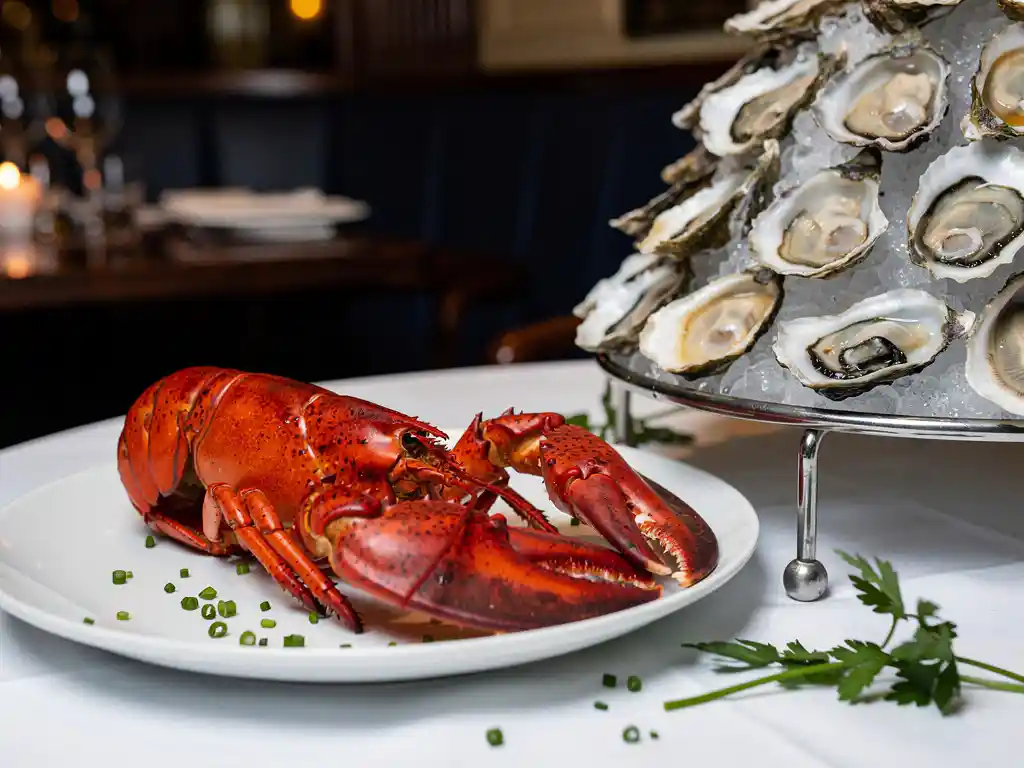
Amsterdam is renowned for its vibrant culinary scene, and the fine dining restaurants in Amsterdam rank among the most celebrated dining destinations in the Netherlands. Whether you’re marking a special occasion or simply looking to enjoy an exceptional meal, the city offers an impressive selection of high-end restaurants serving dishes that delight the senses.
In this article, we answer the most frequently asked questions about fine dining in Amsterdam, from the most popular dishes to practical tips on when to book a table.
What are the most popular dishes at fine dining restaurants in Amsterdam?
At fine dining restaurants in Amsterdam, fish and seafood dishes, refined meat preparations, and seasonal tasting menus are the most popular. Classics such as grilled sole, oysters, lobster, and scallops appear regularly on menus, complemented by modern interpretations of Dutch and European culinary traditions.
Amsterdam has a strong culinary identity closely tied to its proximity to the sea and the city’s rich trading history. This translates into a deep appreciation for fresh fish and shellfish as the centerpiece of the menu. Alongside these, you’ll always find refined meat dishes — think slow-cooked cuts or premium selections prepared with careful attention to technique and flavor.
Seasonality plays a major role in the popularity of dishes. In autumn and winter, richer flavors and game dominate, while spring and summer make way for lighter preparations featuring fresh vegetables and delicate fish. Regular guests particularly appreciate this constant renewal of the menu.
What makes a dish suitable for fine dining?
A dish is suitable for fine dining when it meets three core principles: exceptional ingredient quality, skilled preparation, and thoughtful presentation. The combination of these elements creates a dining experience that goes beyond mere sustenance and becomes a true culinary event.
Quality starts with sourcing. Fine dining restaurants work exclusively with the freshest ingredients, often locally or seasonally produced. A dish that arrives on your plate today frequently began its journey early that morning at a fish market, a local farm, or a specialist supplier.
Preparation and technique are equally important. Whether it’s a classic French sauce, a modern fermentation technique, or a perfect low-temperature cook, the kitchen of a fine dining restaurant distinguishes itself through precision and consistency. Presentation, finally, is the visual promise of what the guest is about to taste: every element on the plate serves a purpose and contributes to the overall experience.
What fish and seafood dishes are typical of fine dining in Amsterdam?
Typical fish and seafood dishes at fine dining restaurants in Amsterdam include oysters, lobster, scallops, sole, turbot, and fruits de mer. These ingredients are often paired with refined sauces, seasonal vegetables, and flavorful garnishes that enhance the pure taste of the sea.
Oysters are an indispensable part of Amsterdam’s fine dining tradition. They are served in a variety of ways, from simply presented on ice to lightly gratinated or paired with a light dressing. The range of oyster varieties — from the sweet Zeeland flat to the briny Gillardeau — makes them a fascinating highlight of any menu.
Lobster is the ultimate luxury dish in the fine dining world. In Amsterdam, it regularly appears on menus as a standalone course or as part of a larger seafood platter. Turbot and sole are classic fish varieties that, thanks to their firm texture and refined flavor, are ideal for more complex preparations with rich butter sauces or light herb vinaigrettes.
How does an à la carte menu differ from a chef’s menu in fine dining?
In fine dining, there are two main menu formats. An à la carte menu gives guests the freedom to choose individual dishes, while a chef’s menu presents a pre-composed sequence of courses that reflects the chef’s vision as a whole. Both options have their own appeal and suit different occasions.
À la carte: freedom and flexibility
With an à la carte menu, you build your own meal based on personal preference. You choose a starter and a main course, optionally adding a dessert, and have the freedom to pace your evening as you like. This is ideal for guests who want to try a specific dish or prefer a shorter meal.
Chef’s menu: a culinary journey
A chef’s menu is a multi-course tasting menu that allows the kitchen to tell a complete story. Each course builds on the last, both in flavor and intensity. There is often the option to add a wine pairing, with each glass carefully selected to enhance the flavors of the accompanying dish. This type of menu changes regularly — sometimes monthly — so that it always reflects the season and the creativity of the kitchen team.
Do fine dining restaurants in Amsterdam offer options for vegetarians?
Yes, fine dining restaurants in Amsterdam are increasingly offering full vegetarian options. Modern top kitchens treat vegetables, legumes, and plant-based proteins as first-class main ingredients, preparing them with the same technical precision and creativity as fish or meat.
Vegetarian cuisine has undergone a remarkable evolution in the fine dining world. Where vegetables once played a supporting role, they now take center stage in dishes that rival classic meat preparations in complexity and flavor. Think caramelized root vegetables, rich mushroom broths, handmade pasta with seasonal vegetables, or refined cheese courses.
Guests with a vegetarian diet are advised to mention their preference when making a reservation. Many restaurants are happy to adapt their chef’s menu to dietary requirements, ensuring that vegetarians can enjoy a complete multi-course experience without compromising on quality or variety.
When is the best time to visit a fine dining restaurant in Amsterdam?
The best time to visit a fine dining restaurant in Amsterdam is on a weekday evening outside the busiest seasons, such as summer and the holidays. During these periods, the restaurant is quieter, staff can devote more attention to each table, and the chances of securing a reservation are greater.
Weekends and special occasions such as Valentine’s Day, Christmas, and New Year’s Eve tend to be extremely busy at the city’s top restaurants. Anyone wishing to dine at those times would be wise to book weeks or even months in advance. Weekday evenings often offer a more relaxed atmosphere and sometimes even special set menu arrangements.
Seasonality is also a reason to be intentional about timing. During oyster season, from September through April, the selection of fresh shellfish is at its peak. The summer months bring lighter dishes and the opportunity to dine on a terrace, adding an extra dimension to the evening at many Amsterdam restaurants.
How Visaandeschelde completes your fine dining experience in Amsterdam
At Visaandeschelde, we offer exactly what you’re looking for in a fine dining restaurant in Amsterdam. For over 25 years, we have been welcoming guests to our atmospheric brasserie on Scheldeplein in Amsterdam South, where fresh fish and seasonal ingredients take center stage every day. Here is what we have to offer:
- A rotating à la carte selection featuring highlights such as oysters, lobster, and our signature dish Vis Exclusief
- A monthly chef’s menu with an optional wine pairing, curated by our kitchen team
- Fresh fruits de mer and a wide range of shellfish throughout oyster season
- Options for vegetarians and meat lovers alike, so every guest at the table finds something to their taste
- A terrace opposite the RAI Convention Centre, perfect for a summer fine dining evening
Would you like to experience for yourself why we have been a firm favorite for fine dining in Amsterdam for years? Browse our full menu and reserve your table today. We look forward to welcoming you.
Veelgestelde vragen
How far in advance should I reserve a table at a fine dining restaurant in Amsterdam?
For a weekday evening, it is advisable to book at least one to two weeks in advance. For weekends, public holidays, or special occasions such as Valentine’s Day or New Year’s Eve, it is better to plan one to three months ahead, especially at popular restaurants. The earlier you reserve, the greater your chances of securing your preferred date, time, and possibly a specific table preference such as a terrace seat.
What is the appropriate dress code for fine dining restaurants in Amsterdam?
Most fine dining restaurants in Amsterdam observe a smart casual to formal dress code, though this varies by establishment. In practice, this means neat clothing without sportswear or sandals — think a shirt or blouse, smart trousers, and closed-toe shoes. It is always a good idea to check the restaurant’s website in advance or ask about expectations when making your reservation, so you can start the evening without any worries.
Can I visit a fine dining restaurant in Amsterdam if I have a food allergy or specific dietary requirement?
Yes, most fine dining restaurants in Amsterdam handle food allergies and dietary requirements with great care, provided you communicate them clearly in advance. When making your reservation, always mention whether you have an allergy, intolerance, or specific preference — such as gluten-free, lactose-free, or vegan. The kitchen team can then make timely adjustments without compromising the quality or coherence of the menu.
Is a wine pairing with a chef's menu worth it, and how does it work?
A wine pairing is absolutely worth it if you want to experience the full culinary journey. With a wine pairing, the sommelier selects a matching glass of wine for each course that enhances or complements the flavors of the dish — from a crisp white wine with oysters to a full-bodied red with a meat course, or a dessert wine to finish. Guests who prefer not to drink alcohol can at many restaurants opt for a non-alcoholic pairing featuring juices, teas, or mocktails crafted with the same level of care.
What is the difference between a brasserie and a classic fine dining restaurant, and what can I expect?
A brasserie combines the accessibility and relaxed atmosphere of a grand café with the culinary quality and refinement of a fine dining restaurant. You can expect high-quality dishes, fresh ingredients, and skilled service, but in a slightly more informal setting than a strictly formal restaurant. This makes a brasserie ideal for both a business dinner and a convivial evening with friends or family, without the need to adhere to a rigid protocol.
How do I put together a good fine dining menu if it's my first time?
If you’re experiencing fine dining for the first time, a chef’s menu is an excellent starting point: you don’t have to make any choices yourself and you automatically experience the kitchen’s complete vision. If you prefer à la carte, choose a starter and main course that complement each other in flavor profile — for example, a light seafood starter followed by a fish or meat main. Don’t hesitate to ask the staff for advice; a good fine dining team is always happy to help you compose a menu that suits your tastes and appetite.
What are common mistakes when visiting a fine dining restaurant, and how do I avoid them?
One of the most common mistakes is arriving late: fine dining restaurants often work with tight time slots, especially for a multi-course menu, and arriving late can disrupt the experience for you and other guests alike. Other pitfalls include failing to communicate dietary requirements in advance, underestimating how long a full menu takes — allow two to three hours — and forgetting to cancel your reservation if you are unexpectedly unable to attend. A quick confirmation or cancellation is greatly appreciated by every restaurant.
Gerelateerde artikelen
- 5 tips om het beste visrestaurant in Amsterdam te kiezen
- Welke wijnen passen bij een chef's menu in Amsterdam?
- Hoe kies je het juiste fine dining restaurant in Amsterdam voor jouw gelegenheid?
- Wat is het verschil tussen à la carte en een chef's menu bij fine dining?
- Waarom is fine dining in Amsterdam een perfecte keuze voor een zakelijk diner?