


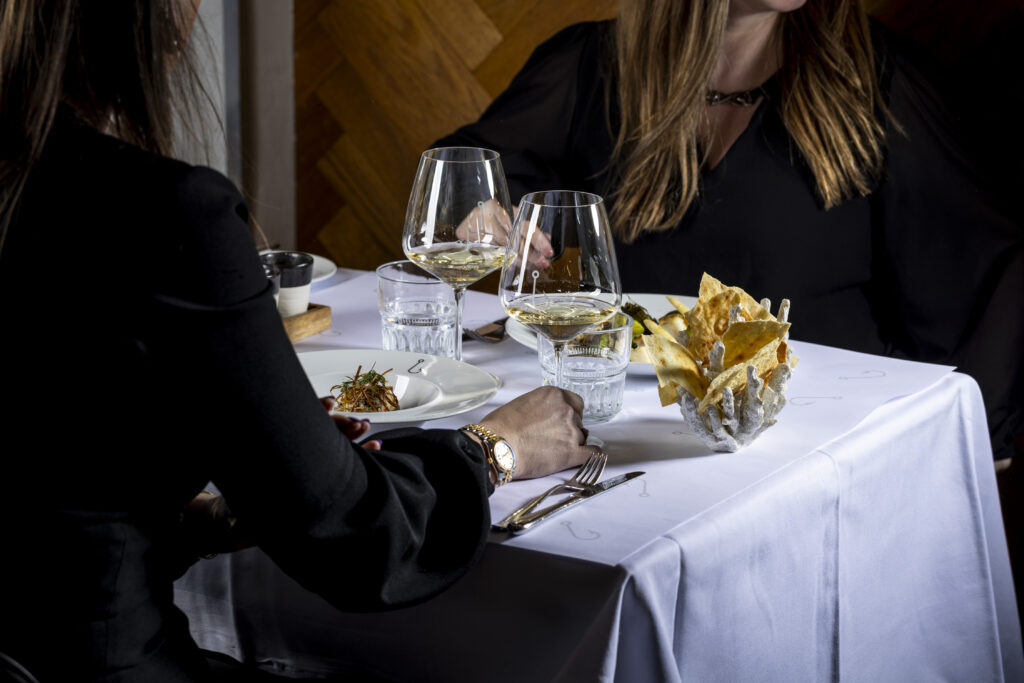
Fine dining is a culinary experience that goes beyond an ordinary meal. It is all about attention to every detail, from the quality of the ingredients to the way you are seated at the table. Whether you are visiting a refined restaurant for the first time or simply want to brush up on your knowledge, it helps to know the unwritten rules. Read everything about the world of fine dining and how to feel completely at ease.
Fine dining in Amsterdam offers a broad spectrum of experiences, from classic French kitchens to modern seafood restaurants. What they have in common is a high standard of service, presentation, and quality. With the right knowledge, you will enjoy it all the more.
What exactly is fine dining?
Fine dining is a style of restaurant experience centered on high-quality food, service, and ambiance. It sets itself apart from ordinary restaurants through multiple courses, carefully selected ingredients, professionally trained staff, and an atmosphere that invites relaxed enjoyment. A fine dining meal is a complete experience, not a quick bite.
In practice, fine dining means you can choose from an extensive à la carte menu or a multi-course tasting menu composed by the chef. Every dish is thoughtfully constructed, from its presentation to its flavor combinations. Service plays a major role in this: the staff guide you through the menu, answer questions about the dishes, and ensure you feel welcome throughout the entire evening.
Fine dining is also seasonal. Top restaurants work with fresh produce daily and adapt their menus to what nature has to offer at any given time. That makes every visit unique.
What dress codes apply at fine dining restaurants?
Fine dining establishments generally enforce a smart casual or formal dress code. For men, this means at minimum a neat pair of trousers with a dress shirt, and in some restaurants a blazer or sport coat. Women typically opt for a dress, a blouse with tailored trousers, or a skirt. Sportswear, flip-flops, and worn-out jeans are not appropriate.
Not every restaurant follows the same rules. Some fine dining restaurants in Amsterdam are slightly more relaxed and accept smart casual attire. Not sure? Check the restaurant’s website in advance or give them a call. A simple question prevents an awkward moment upon arrival.
The rule of thumb is: dress more formally than you think you need to. It shows respect for the restaurant, the chef, and the other guests. Besides, you will feel better about yourself when you look polished in a beautiful setting.
How do you use cutlery correctly at a fine dining dinner?
At a fine dining restaurant, you work with your cutlery from the outside in. The piece farthest from your plate is used first. Fresh cutlery is laid out for each new course. After each course, place your cutlery on your plate as a signal that you are finished: parallel to each other, with the handles pointing to the right.
A few practical guidelines:
- Fork on the left, knife on the right, spoon to the right of the knife
- The bread knife and butter dish are placed to the upper left of your plate
- Always work from the outside inward toward the plate
- Never place used cutlery back on the table
- Parallel cutlery resting on the plate means: I am finished
Do not panic if you are unsure for a moment. The staff at a good restaurant will discreetly help you along. Fine dining is not about perfection — it is about enjoyment.
What are the rules around reservations and arrival time?
At fine dining restaurants, a reservation is almost always required and punctuality is essential. Aim to arrive five to ten minutes before your reservation time. Popular restaurants operate on strict time slots, and arriving late may mean less time for your meal or losing your table altogether.
Always cancel as early as possible, preferably at least 24 hours in advance. Many fine dining restaurants charge a fee for no-shows, as they plan their tables carefully and purchase fresh produce based on expected covers.
When making a reservation, it is also helpful to mention any dietary requirements or allergies. This allows the kitchen to prepare accordingly, so you can enjoy every dish that is served without any worries.
How should you behave at the table during a fine dining experience?
At a fine dining restaurant, everything at the table revolves around respect: for the food, the staff, and the other guests. Put your phone away or switch it to silent. Speak in a calm tone. Wait to eat until everyone at the table has received their dish. And thank the staff when they serve a course.
Other table manners worth keeping in mind:
- Place your napkin on your lap as soon as you are seated, and on the back of your chair if you step away briefly
- Do not call out to the staff — make eye contact or raise your hand subtly
- Taste each dish before adding salt or pepper
- Raise any concerns quietly with the staff, not loudly at the table
- Wait to break or cut your bread until it has been served by the staff
The goal is not to master every protocol perfectly. Most fine dining restaurants value a relaxed and respectful attitude far more than rigid etiquette.
How does wine pairing work with a multi-course menu?
With wine pairing, a sommelier selects a wine for each course that enhances or complements the flavors of the dish. With a multi-course menu, you receive a different glass of wine per course, carefully chosen based on the ingredients, preparation method, and flavor profile. You do not need any wine expertise yourself: the sommelier will briefly explain the reasoning behind each choice.
Wine pairing is optional at most fine dining restaurants. You can also opt for a non-alcoholic pairing, where a drink is served with each course to complement the dish — such as juice, tea, or kombucha. This is an increasingly popular choice for guests who do not drink or who are driving.
A well-executed wine pairing significantly elevates the experience of a multi-course menu. It demonstrates how wine and food can enhance each other in ways that are difficult to replicate at home. It is one of the reasons why fine dining can make for such a special evening.
How Visaandeschelde completes your fine dining experience
We understand that a fine dining evening is about much more than just a meal. At Visaandeschelde in Amsterdam South, we have been bringing guests together around freshly caught fish, seasonal dishes, and a warm, maritime atmosphere for over 25 years. Whether you are experiencing fine dining for the first time or are a regular visitor, we make sure you feel right at home from the moment you arrive.
What we offer:
- A monthly Chef’s menu with optional wine pairing
- Fresh fish and seasonal produce every day
- À la carte choices, including the ever-changing Vis Exclusief dish
- Dishes for fish lovers, vegetarians, and meat lovers alike
- A charming location opposite the RAI Convention Centre, with a terrace
Curious about what is currently on our menu? Browse our current menu and reserve your table. We look forward to welcoming you for an unforgettable fine dining evening in Amsterdam.
Veelgestelde vragen
What is the difference between an à la carte menu and a multi-course menu at a fine dining restaurant?
With an à la carte menu, you choose which dishes you want to eat and in what order, whereas a multi-course menu is a sequence of dishes composed by the chef with little to no choice on your part. A multi-course menu often provides a more complete culinary experience because the chef carefully balances flavors and textures throughout. At restaurants like Visaandeschelde, you can choose between both options depending on your preference and the occasion.
How do I prepare for my first fine dining visit so I don't feel uncomfortable?
Read the restaurant’s menu and website in advance so you know what to expect in terms of dress code, menu structure, and atmosphere. When making your reservation, immediately mention any dietary requirements or allergies so the kitchen can prepare. Remember that the staff at a good fine dining restaurant are there specifically to put you at ease, so don’t hesitate to ask questions about dishes, ingredients, or cutlery.
What should I do if I don't enjoy a dish or something isn't to my liking?
Discuss it calmly and discreetly with the staff, preferably without drawing the attention of other guests. A professional fine dining restaurant welcomes honest feedback and will always try to offer a solution, such as a replacement dish or an adjustment. Avoid making negative comments loudly at the table or waiting until afterward to share them in a review without giving the restaurant the chance to resolve the issue on the spot.
Is fine dining suitable for children, and if so, what should I keep in mind?
Fine dining is certainly possible with children, but it requires a little extra preparation. Check in advance whether the restaurant offers a children’s menu and whether the atmosphere is suitable for younger guests. Prepare your children for the expected behavior — such as speaking quietly, waiting until everyone has been served, and putting phones away — so that both they and the other guests can fully enjoy the evening.
How much should I tip at a fine dining restaurant?
Tipping is not obligatory, but at fine dining establishments a tip of around 10% of the bill is considered a common and appreciated guideline. You can leave the tip in cash or indicate the amount when paying by card. Note that some fine dining restaurants already include a service charge in the bill, so check your receipt before leaving an additional tip.
Can I choose a non-alcoholic pairing if I don't drink, and is it a worthwhile experience?
Absolutely — non-alcoholic pairings are now a fully-fledged alternative to wine pairing at many fine dining restaurants and are growing in popularity. Think carefully selected juices, kombucha, teas, or other beverages matched to the flavors of each course. The result is just as thoughtful and surprising an experience as a classic wine pairing, simply without the alcohol.
What are common mistakes made by fine dining first-timers that I should avoid?
One of the most common mistakes is arriving late or forgetting to cancel, which is not only impolite but can also result in charges. Other pitfalls include adding salt or pepper before tasting the dish, using the wrong cutlery, or speaking too loudly. Remember that fine dining is about relaxed enjoyment, so don’t be too anxious about etiquette — a respectful and curious attitude is always enough.
Gerelateerde artikelen
- Welke zonnige borrelplek heeft een chic-informele sfeer?
- Is een visrestaurant in Amsterdam geschikt voor een zakelijke lunch?
- 11 ervaringen die een diner in een visrestaurant Amsterdam onvergetelijk maken
- Welke fine dining restaurants in Amsterdam hebben een Michelinster?
- Hoe bereid je je voor op een fine dining avond in Amsterdam?