


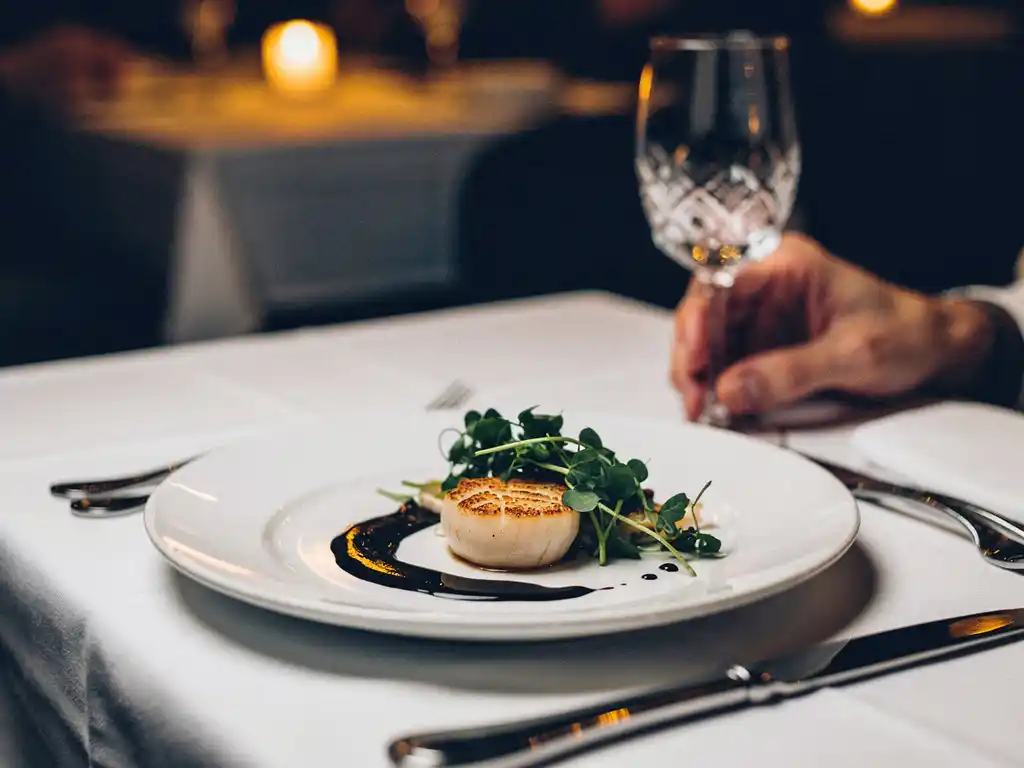
Amsterdam has a vibrant culinary scene, with dozens of restaurants positioning themselves as fine dining establishments or offering a distinctive tasting menu experience. But what do those terms actually mean, and how do you choose what suits you best? Whether you’re planning a special evening or simply curious about the world of fine dining restaurants in Amsterdam, this article gives you clear answers.
The terms fine dining and chef’s menu are often used interchangeably, but they refer to different things. Once you understand the difference, you’ll make far more informed choices when booking a dinner out.
What exactly is fine dining, and what can you expect?
Fine dining is a complete restaurant experience in which everything is aligned at the highest level: the kitchen, the service, the décor, and the atmosphere. It goes beyond simply eating well. Fine dining means attention to every detail, from the presentation of a dish to the way the staff guides you through the evening.
At a fine dining restaurant, you can generally expect the following:
- Multiple courses, carefully structured in terms of flavor and texture
- Seasonal and often locally sourced ingredients
- An extensive wine list or wine pairing per course
- Elegant décor that enhances the atmosphere
- Personal and attentive service
Fine dining is not a fixed formula, but rather a quality standard. A restaurant can be fine dining without white tablecloths or a formal dress code. What matters is a consistent commitment to quality and hospitality throughout the entire evening.
What is a chef’s menu, and how does it work?
A chef’s menu is a pre-set tasting menu in which the chef decides what you eat. Rather than choosing from an à la carte menu yourself, you place your trust entirely in the creativity and vision of the kitchen. This menu changes regularly — often monthly or seasonally — and reflects what inspires the chef at that particular moment.
The chef’s menu works as follows: you reserve a table, pass along any dietary preferences or allergies, and the rest is up to the kitchen. The courses are served in a set sequence, building from light to rich or from subtle to intense. Many restaurants offer an optional wine pairing alongside it, with each dish accompanied by a carefully matched glass of wine.
The great advantage of a chef’s menu is that you get to taste dishes you might never have ordered yourself. It’s a culinary journey of discovery in which the chef takes you into their world.
What is the difference between fine dining and a chef’s menu?
The key difference is that fine dining is a style of dining, while a chef’s menu is a specific menu format. Fine dining describes the overall experience and quality standard of a restaurant. A chef’s menu is the way in which a dish or series of dishes is presented to you.
You can encounter a chef’s menu at a fine dining restaurant, but also at a more informal bistro or brasserie. Conversely, a fine dining restaurant may offer both à la carte options and a chef’s menu. The two are not mutually exclusive, but they are not the same thing either.
In brief:
- Fine dining refers to the level of the experience: quality, atmosphere, service, and presentation
- Chef’s menu refers to the structure of the meal: the chef chooses, you enjoy
In many cases the two go hand in hand, but it’s worth knowing that a chef’s menu can also be offered in a less formal setting.
When should you choose a chef’s menu over à la carte?
A chef’s menu is the best choice when you want to experience a restaurant’s full culinary vision. It’s ideal for a special occasion, a first visit to a restaurant you want to get to know, or when you want to surprise yourself with dishes you wouldn’t typically order on your own.
À la carte is a better fit if you have specific preferences, if you’d rather stay in control of what comes to the table, or if you don’t have the time or appetite for multiple courses. It’s also a great option if there’s one particular dish the restaurant is known for that you want to try.
Consider a chef’s menu when:
- You’re celebrating a special evening and want the full experience
- You’re curious about the chef’s creativity
- You’re open to new flavors and combinations
- You want to share the same experience with a dining companion
Many restaurants do require that the entire party orders the same menu, so check this in advance if you’re going with a mixed group.
What should you look for when choosing a fine dining restaurant in Amsterdam?
When choosing a fine dining restaurant in Amsterdam, it’s best to consider a combination of factors: the quality of the ingredients, the consistency of the menu, the atmosphere, and how the restaurant handles seasonality and freshness. Amsterdam has many options, so it pays to search with a clear idea of what you’re looking for.
Pay attention to the following:
- Seasonal menus: restaurants that update their menu according to the season generally work with the freshest produce
- Menu flexibility: does the restaurant offer both à la carte and a multi-course menu?
- Wine pairing: a good fine dining restaurant has a wine list that complements its dishes
- Atmosphere and concept: does the ambiance suit the occasion you’re going for?
- Reservation policy: popular fine dining restaurants fill up quickly, so book well in advance
Read reviews from other guests as well, but focus on recent experiences. A restaurant can change its chef or concept over time, which makes older reviews less relevant.
How we take you on a true seafood fine dining experience
At Vis aan de Schelde, we combine the finest elements of fine dining with the accessibility of a brasserie on Scheldeplein in Amsterdam South. Our approach is concrete and centered on your experience:
- Daily fresh fish and seasonal ingredients as the foundation of every dish
- A monthly rotating chef’s menu, composed by our kitchen team
- The à la carte signature offering “Vis Exclusief,” which changes continuously based on availability
- Fresh fruits de mer and a varied selection of oysters and lobster
- Optional wine pairing with the multi-course menu
- A choice of à la carte or a multi-course menu, including options for vegetarians and meat lovers
We have been a fixture in the Rivierenbuurt neighborhood for over 25 years and warmly welcome guests looking for a memorable evening. View our full menu and book in good time — our tables go quickly.
Veelgestelde vragen
How far in advance should I reserve a table at a fine dining restaurant in Amsterdam?
For popular fine dining restaurants in Amsterdam, it's advisable to book at least two to four weeks in advance, especially for weekend evenings or public holidays. Some top restaurants even have waiting lists of several months. If you're booking for a special occasion such as a birthday or anniversary, it's especially recommended to do so as early as possible and to pass along any requests or dietary requirements at the time of booking.
What if I have an allergy or dietary requirement — can I still follow a chef's menu?
Absolutely. Most fine dining restaurants and brasseries are accustomed to accommodating allergies, intolerances, or dietary preferences such as vegetarian or gluten-free. It is important, however, to communicate this clearly at the time of booking so the kitchen can prepare accordingly. A good restaurant will adapt the chef's menu without compromising the coherence or quality of the meal.
Is there a dress code at fine dining restaurants in Amsterdam?
Most fine dining restaurants in Amsterdam no longer enforce a strict dress code, but a neat, polished appearance is generally appreciated. Think smart casual: presentable clothing without needing to wear a tuxedo. It's always a good idea to check the restaurant's website or ask when making your reservation whether any specific dress guidelines apply, so you're not caught off guard.
How long does an evening with a multi-course menu typically last?
A chef's menu or multi-course menu in a fine dining setting typically lasts between two and three hours, depending on the number of courses and the pace of service. For an extensive menu of six or more courses, allow for up to three to three and a half hours. Plan your evening generously and think of it as a relaxed experience rather than a quick meal — the time between courses is intentionally designed for enjoyment and good conversation.
Is a wine pairing really worth it, or can I just order a bottle of wine?
A wine pairing adds genuine value if you want to enjoy the full culinary experience, as each glass is carefully chosen to enhance or complement the flavors of the accompanying dish. That said, it's certainly not a requirement: a bottle of wine of your choice works perfectly well if you have a favorite grape variety or prefer to manage your own drinks budget. Not sure? Ask the sommelier or a staff member for advice — at a good fine dining restaurant, they'll be happy to help you find the option that suits you best.
Can I visit a fine dining restaurant for a business dinner or group event?
Yes, many fine dining restaurants in Amsterdam are excellently suited for business dinners, corporate outings, or group reservations. A chef's menu is particularly convenient for this, as everyone at the table shares the same experience and there's no need to wait endlessly for different orders. For a group visit, always contact the restaurant in advance to discuss the possibilities, as some restaurants have a minimum or maximum group size or offer special packages for business occasions.
What is the difference between a brasserie and a fine dining restaurant, and which is right for me?
A brasserie generally offers a slightly more informal atmosphere than a classic fine dining restaurant, but can operate at the same high level in terms of cuisine and ingredient quality. The main difference lies in the ambiance and the freedom in menu structure: a brasserie often lets you choose between à la carte and a multi-course menu, and the atmosphere is more relaxed and less formal. If you're looking for top-quality food in a laid-back setting — without the stiffness that fine dining can sometimes evoke — then a brasserie with a fine dining approach is an excellent choice.
Gerelateerde artikelen
- 5 onbekende terrassen aan het water in Amsterdam die locals kennen
- Wat zijn de dresscode regels bij fine dining restaurants in Amsterdam?
- Wat zijn de ongeschreven regels bij fine dining restaurants in Amsterdam?
- Hoe verschilt fine dining in Amsterdam van andere grote Europese steden?
- Wat zijn de etiquetteregels bij fine dining in Amsterdam?