


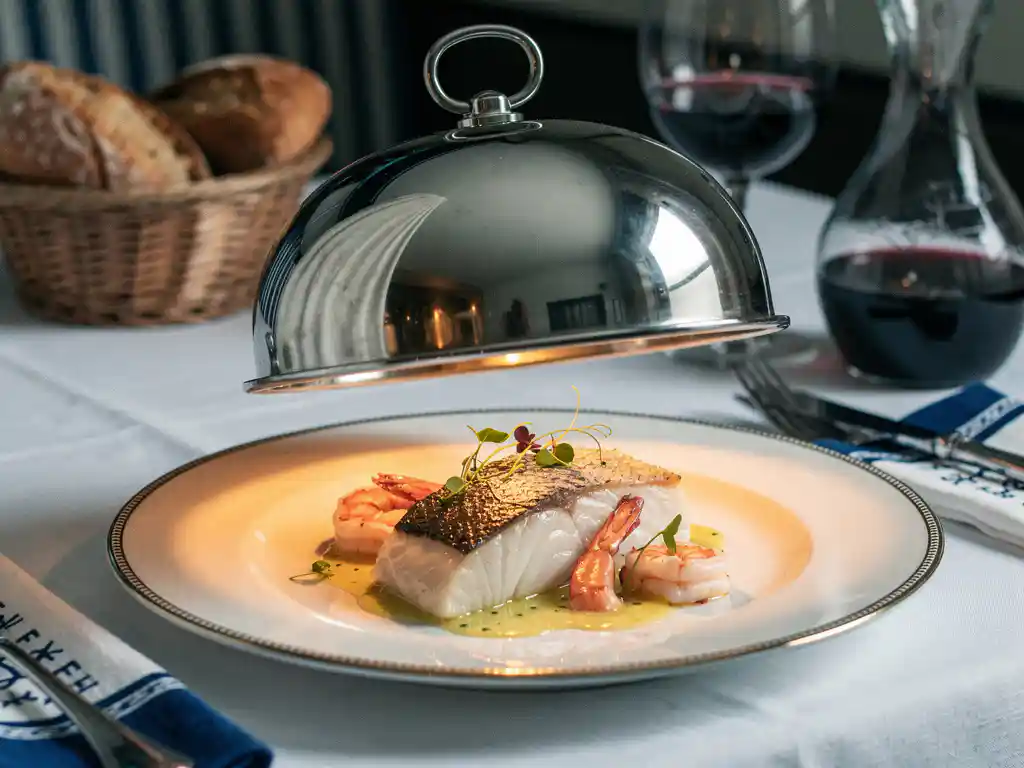
Amsterdam has a vibrant restaurant scene with a wide range of options, from relaxed bistros to exclusive fine dining experiences. Anyone looking for fine dining in Amsterdam or wanting to visit a cozy brasserie will quickly find themselves asking: what’s the difference, exactly? And which option suits your evening best? In this article, we give you a clear overview so you know exactly what to expect before you make a reservation. You can read more about our own approach on the about us page.
What exactly is fine dining, and what can you expect?
Fine dining is a complete gastronomic experience where every detail matters: the presentation on the plate, the service, the wine selection, and the atmosphere of the restaurant. Guests can expect a multi-course menu, an immaculate table setting, skilled staff, and dishes that are both technically and creatively refined. The emphasis is on the overall experience, not just the food.
In practice, fine dining means being guided through a culinary journey. Think of amuse-bouches that set the tone, intermediate courses that tantalize the palate, and a main course that forms the heart of the menu. Wine pairing is a standard part of the evening at many fine dining restaurants. The service is attentive but never intrusive, and dietary needs and allergies are always taken into account.
Fine dining also asks something of the guest. You book in advance, set aside plenty of time, and typically dress more formally. It’s a deliberate choice for a special evening.
What is a brasserie, and how does the atmosphere differ?
A brasserie is a more informal type of restaurant with its roots in French dining culture. The atmosphere is welcoming and lively, the menu varied, and the service warm — without strict etiquette. You can stop in for a light bite or a full dinner without being expected to commit to a complete multi-course menu.
Where fine dining is a carefully orchestrated experience, a brasserie has a more spontaneous feel. Guests feel free to order what they want, when they want it. The décor tends to be warmer and more characterful, with materials like wood, tiles, and classic decorative elements that create a sense of conviviality.
A brasserie is therefore ideal for a relaxed dinner with friends, a business lunch, or a spontaneous meal after a night out. The barrier to entry is lower, but the quality of the kitchen doesn’t have to suffer for it.
What is the difference between fine dining and a brasserie in Amsterdam?
The main difference between fine dining and a brasserie in Amsterdam lies in the structure of the experience, the price, and the expectations you bring as a guest. Fine dining revolves around a curated, multi-course experience with a high level of service and presentation. A brasserie offers freedom, accessibility, and a convivial atmosphere without a fixed structure.
In Amsterdam, this difference is clearly reflected in the type of restaurant and its location. Fine dining restaurants are often found on quieter streets or in design hotels, while brasserias are more embedded in lively neighborhoods and appeal to a broad audience. Both formats can, however, work with fresh, seasonal ingredients and a strong kitchen.
Formal versus informal
Fine dining calls for a formal reservation, a dress code, and an evening you plan well in advance. A brasserie is more flexible: you can often walk in without a reservation, though popular spots recommend booking ahead here as well.
Menu and freedom of choice
At a fine dining restaurant, you typically follow the chef’s menu with limited room for customization. At a brasserie, you choose exactly what you want to eat — from a single dish to a full meal. That freedom of choice is a major draw for many guests.
When should you choose fine dining, and when a brasserie?
Choose fine dining when you want to celebrate a special occasion, such as a birthday, anniversary, or romantic dinner. Choose a brasserie when you want a more relaxed meal, with greater freedom over what and how much you order, in a lively and accessible setting.
Fine dining is well suited to occasions where the evening itself is the main event. You book weeks in advance, set aside three hours, and savor every element of the menu. A brasserie is a better fit for a more spontaneous plan, an informal business dinner, or an outing where the food is one of the highlights — but not the only one.
For business visitors and conference attendees — for example, after a day at the RAI convention center — a brasserie with a strong kitchen offers the best of both worlds: quality without the rigid formality of a full fine dining concept.
What does a fine dining evening cost compared to a brasserie in Amsterdam?
Fine dining in Amsterdam typically costs between €80 and €200 per person, depending on the number of courses and whether wine pairing is included. An evening at a brasserie generally ranges from €35 to €75 per person, including a drink but excluding extensive wine menus.
The price difference reflects the investment in staff, ingredients, and the overall experience. Fine dining restaurants often work with small teams of highly trained chefs and sommeliers, which drives up the cost per cover. In a brasserie, operating costs are lower, translating into more accessible prices without compromising the quality of the kitchen.
Want to experience the quality of fine dining without the full price tag? Many brasserias in Amsterdam offer multi-course menus as an optional choice, so you decide how elaborate your dinner will be.
Which seafood restaurants in Amsterdam combine brasserie and fine dining?
A number of seafood restaurants in Amsterdam manage to combine the warm atmosphere of a brasserie with the culinary depth of fine dining. They work with daily fresh fish, seasonal menus, and the option to choose between à la carte and multi-course menus with wine pairing — without guests feeling tied to a single format.
This hybrid concept appeals to a wide audience: from foodies looking for an exceptional fish dinner to business guests who want to enjoy a refined yet accessible evening after a conference. The combination of fresh fruits de mer, rotating seasonal dishes, and an extensive wine list gives such a restaurant the character of both worlds.
How Visaandeschelde offers the best of both worlds
At Visaandeschelde, we combine the warm, maritime atmosphere of a brasserie with the culinary ambition of fine dining. Our restaurant in Amsterdam South offers guests exactly the flexibility that suits their evening:
- Daily fresh fish and seasonal ingredients as the foundation of every dish
- A choice between à la carte and a monthly rotating Chef’s menu
- Optional wine pairing with the multi-course menu
- A welcoming, warm atmosphere with attention to every detail
- Dishes for fish lovers, vegetarians, and meat lovers alike
- A terrace for outdoor dining opposite the RAI convention center
Whether you’re planning a romantic dinner, looking for a business lunch, or simply want to enjoy fresh seafood in a wonderful setting — you’ve come to the right place. Browse our menu for the current seasonal dishes and book your table in good time, as our seats fill up quickly.
Veelgestelde vragen
Do I always need to book in advance at a fine dining restaurant in Amsterdam?
Yes, a prior reservation is almost always essential for fine dining in Amsterdam. Most fine dining restaurants work with a limited number of covers per evening and a carefully planned menu, making walk-ins rarely possible. It’s best to book a few weeks in advance, especially for special occasions or on weekends.
What should I wear to a fine dining evening in Amsterdam?
Fine dining generally calls for a smart casual to formal dress code: think neat clothing such as a shirt or blouse, dress pants, and closed-toe shoes. Jeans and sneakers tend not to fit the atmosphere of a fine dining restaurant. Check the website in advance or call the restaurant if you’re unsure about the dress code, as each restaurant has its own guidelines.
Can I dine at a fine dining restaurant in Amsterdam if I have a food allergy or dietary requirement?
Absolutely, but it’s essential to mention this clearly when making your reservation. Fine dining restaurants work with carefully composed menus where every dish is planned in detail, so notifying them in advance gives the kitchen the opportunity to prepare safe and delicious alternatives. At a brasserie, adapting dishes is often more straightforward, as the menu tends to offer greater flexibility.
Is a brasserie in Amsterdam suitable for a romantic dinner?
Certainly, as long as you choose the right spot. A good brasserie with a warm atmosphere, soft lighting, and a strong kitchen can provide an excellent setting for a romantic evening. The advantage over fine dining is that the atmosphere is slightly more relaxed, which some couples find more comfortable than the strict formality of a full fine dining concept.
How do I know if a restaurant in Amsterdam is really serving fresh fish?
Check whether the restaurant works with seasonal dishes and daily-changing specials on the menu — this is a strong sign that the fish is bought fresh. Transparent restaurants often list the origin of their fish or work with local or certified suppliers. Not sure? Just ask the staff; a good fish restaurant will be happy to tell you more about how they source and prepare their fish.
What is wine pairing, and is it worth the extra cost?
Wine pairing means that the sommelier selects a complementary wine for each course that enhances and complements the flavors of the food. It’s worth the extra cost if you want to experience the full gastronomic journey, as the right wine can elevate a dish to another level. If you’d like to keep costs down, ask whether you can order by the glass instead of taking the full pairing package.
What is the difference between a Chef's menu and an à la carte menu?
A Chef’s menu is a pre-composed multi-course menu in which the chef determines the sequence and composition of the dishes — ideal if you want to experience the restaurant’s full culinary vision. An à la carte menu gives you complete freedom to choose and combine dishes yourself, regardless of order or quantity. Many restaurants in Amsterdam offer both options, so you can choose based on your mood, company, and budget.
Gerelateerde artikelen
- Wat is de beste tijd om een terras aan het water in Amsterdam te bezoeken?
- 7 dingen om op te letten bij een terras aan het water in Amsterdam
- Wat zijn de dresscode regels bij fine dining restaurants in Amsterdam?
- Wat kun je verwachten van een fine dining ervaring in Amsterdam?
- Wat is wijnpairing bij fine dining in Amsterdam?