


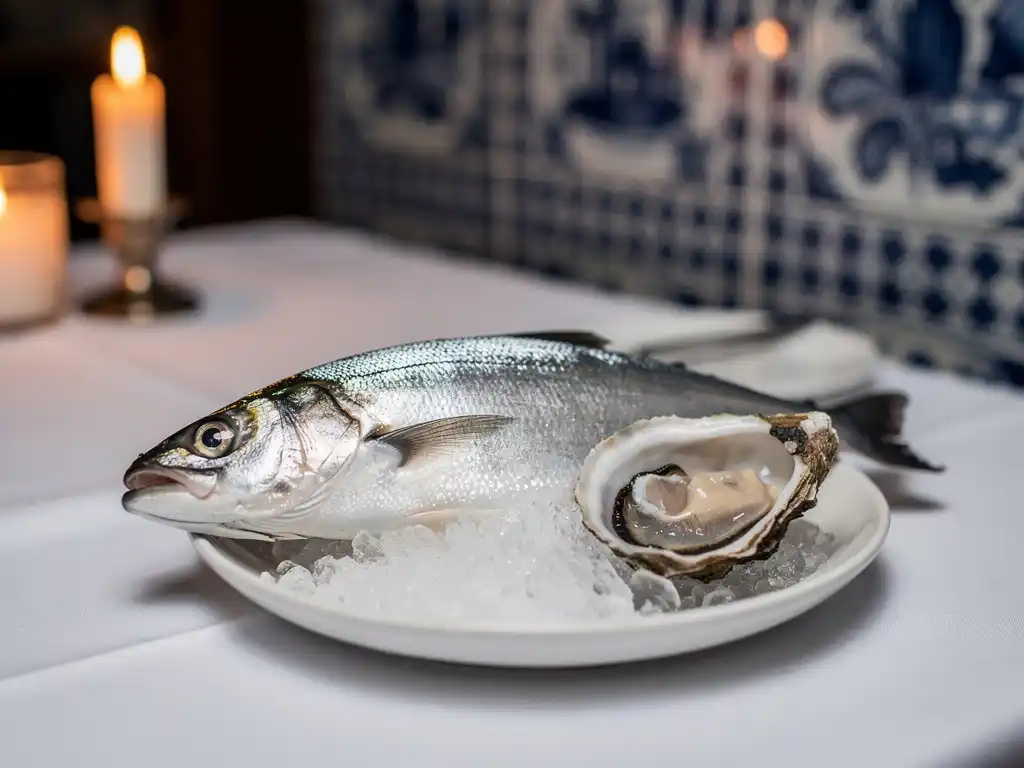
Amsterdam is known for its vibrant restaurant scene, but not every restaurant that positions itself as fine dining truly deserves that title. Especially when planning a special evening, you want to be sure you’re choosing a restaurant that lives up to its promises. In this article, we answer the most frequently asked questions about recognizing a reliable fine dining restaurant in Amsterdam, so you can book a table with confidence.
What exactly is a fine dining restaurant?
A fine dining restaurant is an establishment that distinguishes itself through a high standard of cuisine, service, and atmosphere. It goes beyond good food: the entire experience — from the presentation of dishes to the knowledge of the staff and the quality of the ingredients — takes center stage. Fine dining is about attention to every detail.
Where an ordinary restaurant focuses on serving meals, a fine dining restaurant offers a culinary experience. Think carefully curated menus, seasonal produce, skilled service, and an interior that enhances the ambiance. In Amsterdam, you’ll find fine dining restaurants in all shapes and forms: from classic French cuisine to modern Dutch interpretations and specialized seafood restaurants.
Fine dining doesn’t necessarily mean formal or inaccessible. Many restaurants combine a high standard of quality with a warm, welcoming atmosphere. The point is that as a guest, you feel genuinely cared for — from the moment you walk in to the moment you leave.
What should you look for when evaluating a restaurant?
When evaluating a fine dining restaurant, there are five core aspects to consider: the quality and freshness of ingredients, the skill of the service staff, the consistency of the menu, the atmosphere of the interior, and transparency about the origin of products. Restaurants that score well on all these points earn the trust of their guests.
Start with the menu itself. A reliable restaurant works with a menu that changes regularly based on season and availability. This is a sign that the kitchen uses fresh, current produce rather than standard stock. A menu that remains exactly the same throughout the year is rarely a good sign for a restaurant that claims to take fine dining seriously.
Pay attention to the service as well. Staff who can enthusiastically and knowledgeably talk you through the dishes, the origin of ingredients, or the wine pairing demonstrate that the restaurant invests in training and quality. Indifferent or uninformed service is at odds with what fine dining should be.
How reliable are online restaurant reviews?
Online reviews are useful as a starting point, but they should be read critically. Reliable reviews are specific, describe concrete experiences, and come from multiple platforms. One or two outliers — positive or negative — don’t say much. Look at the pattern across dozens or hundreds of ratings for a fair picture.
Platforms like Google Reviews, TripAdvisor, and TheFork provide a broad impression, but the quality of reviews varies greatly. A review that simply says “great meal” adds little value. Look for assessments that are specific about the quality of fish or meat, the knowledge of the service staff, waiting times, or the atmosphere. Those kinds of details tell you more than an average star rating.
Also be wary of restaurants with a strikingly high score based on very few reviews. This could indicate a young establishment that has yet to prove itself, or manipulated ratings. Restaurants with a longer track record and a large number of consistent reviews generally offer more reassurance.
What certifications or awards say something about quality?
The most well-known quality distinction in the restaurant world is the Michelin star, awarded by the independent Michelin Guide. But a Bib Gourmand mention (for excellent value for money) or a listing in Dutch restaurant guides such as the Lekker Guide are also valuable indicators of quality.
That said, official distinctions are not the only measure. Many excellent restaurants in Amsterdam have never applied for a star or fall outside the criteria of certain guides, yet still deliver top-quality food. A restaurant that has built a loyal clientele over decades proves its quality through consistency over time — which is at least as meaningful as an official accolade.
Also look for memberships in industry organizations or certifications related to sustainability and the provenance of products. Restaurants that demonstrably work with certified suppliers or are transparent about their purchasing policy show that quality means more to them than just the taste on the plate.
How can you tell whether a fish restaurant truly uses fresh produce?
A fish restaurant that genuinely works with fresh produce is characterized by a menu that changes daily or weekly based on what’s available at the fish market. Fresh fish has a limited shelf life, so a menu that always offers the same fish regardless of the season is a warning sign.
Feel free to ask the staff where the fish comes from and when it was purchased. A good fish restaurant can answer this immediately. Service staff who enthusiastically talk about the catch of the day or the supplier they work with confirm that freshness is a genuine priority — not just a marketing term.
Also take a look at the menu on the restaurant’s website. Restaurants that work with a rotating menu — such as a daily “Fish Exclusive” dish or seasonal oysters and lobster — show that they align their purchasing with what is available and at its best at that moment. A menu that moves with the seasons is one of the strongest signals of a restaurant that takes quality seriously.
When is it advisable to make a reservation at a fine dining restaurant?
Making a reservation at a fine dining restaurant in Amsterdam is almost always advisable, and at popular restaurants it is practically essential. Restaurants with a loyal clientele, a limited number of tables, and a rotating menu fill up quickly — especially on weekends or during events in the city.
The earlier you book, the greater your chances of securing your preferred date and time. For a Friday or Saturday evening dinner, it’s wise to book at least a week in advance. Around holidays or major events — such as trade fairs or conferences nearby — demand can be even higher, making early reservations all the more important.
Reserving also gives the restaurant the opportunity to prepare properly for your visit. Staff can take dietary requirements or allergies into account, and the kitchen can purchase the right quantities. A restaurant that takes reservations seriously and responds to them well also demonstrates something about its professionalism.
How Visaandeschelde answers all of these questions
Here at Visaandeschelde, we strive to lead by example on each of the points above. We have been a fixture in Amsterdam South for more than 25 years, and we build that trust anew every single day. What makes us a reliable choice as a fine dining fish restaurant in Amsterdam?
- We work exclusively with daily fresh fish and seasonal ingredients.
- Our menu changes regularly, including the signature “Vis Exclusief” dish and fresh fruits de mer.
- Our team is always happy to tell you everything about the origin of our products.
- We offer both à la carte dining and a monthly rotating Chef’s menu, with optional wine pairing.
- Our loyal clientele speaks for itself: reservations are strongly recommended.
Would you like to experience for yourself why we have been a beloved destination for seafood lovers in Amsterdam for decades? View our menu and reserve your table through our website. We look forward to welcoming you at Scheldeplein.
Veelgestelde vragen
What is the difference between a fine dining restaurant and a bistro or brasserie?
A bistro or brasserie typically offers a more informal atmosphere with a broader, less frequently changing menu and faster service. A fine dining restaurant distinguishes itself through the depth of the culinary experience: smaller, carefully composed menus, a higher level of personal service, and a strong focus on the quality and origin of every ingredient. Fine dining is not just about what’s on the plate — it’s about the complete experience from beginning to end.
How should I best prepare for a fine dining evening?
Browse the menu on the restaurant’s website in advance so you know what to expect and can already share any questions or preferences when making your reservation. Always communicate allergies or dietary requirements ahead of time so the kitchen can prepare accordingly. Arrive on time and plan for an evening of two to three hours, as fine dining is an experience that gives you the space and tranquility to enjoy every moment.
Is fine dining in Amsterdam suitable for people who are not familiar with culinary etiquette?
Absolutely. Most fine dining restaurants in Amsterdam take a welcoming and accessible approach where guests never need to feel uncomfortable. Well-trained staff will guide you through the menu and wine list without being condescending. You don’t need to be an expert to enjoy fine dining — curiosity and an open mind are more than enough.
What is a Chef's menu and is it worth it compared to à la carte?
A Chef’s menu is a multi-course menu composed by the chef as a culinary narrative, with dishes served in a deliberate sequence that complement and enhance one another. It often offers the best insight into the kitchen’s vision and craftsmanship. À la carte gives you more freedom in your choices, but those who want to experience everything the restaurant has to offer will generally prefer the Chef’s menu.
How do I know whether the wine pairing at a fine dining restaurant truly adds value?
A good wine pairing is put together by a sommelier or experienced staff member who knows the dishes inside and out and deliberately selects wines that enhance or complement the flavors of each course. Feel free to ask why a particular wine is chosen for a dish — a knowledgeable restaurant will give you a clear and enthusiastic answer. If the staff member is unable to explain this, it’s a sign that the pairing is more of a sales strategy than a culinary choice.
What should I do if my experience falls short of expectations?
Give the restaurant the chance to make it right by politely but directly raising your concerns during the meal, rather than simply leaving a negative review afterward. A professional fine dining restaurant will take your feedback seriously and act on it where possible. If you do decide to write a review afterward, be specific and factual — that way your feedback has genuine value for both the restaurant and future guests.
Are there fine dining restaurants in Amsterdam that specifically focus on sustainable or local ingredients?
Yes, a growing number of fine dining restaurants in Amsterdam place a strong emphasis on sustainability, seasonality, and transparency about the origin of their products. When choosing a restaurant, look for mentions of certified suppliers, sustainability certifications, or an explicit purchasing policy on the website. Restaurants that communicate openly about this show that quality means something broader to them than taste alone.
Gerelateerde artikelen
- Waar kun je zonnig borrelen na een congres?
- Wat zijn de beste visrestaurants in Amsterdam-Zuid in 2026?
- Welk zonnig terras heeft vegetarische gerechten?
- Hoe beoordeel je de kwaliteit van een fine dining restaurant in Amsterdam?
- Waarom is fine dining in Amsterdam een perfecte keuze voor een zakelijk diner?