


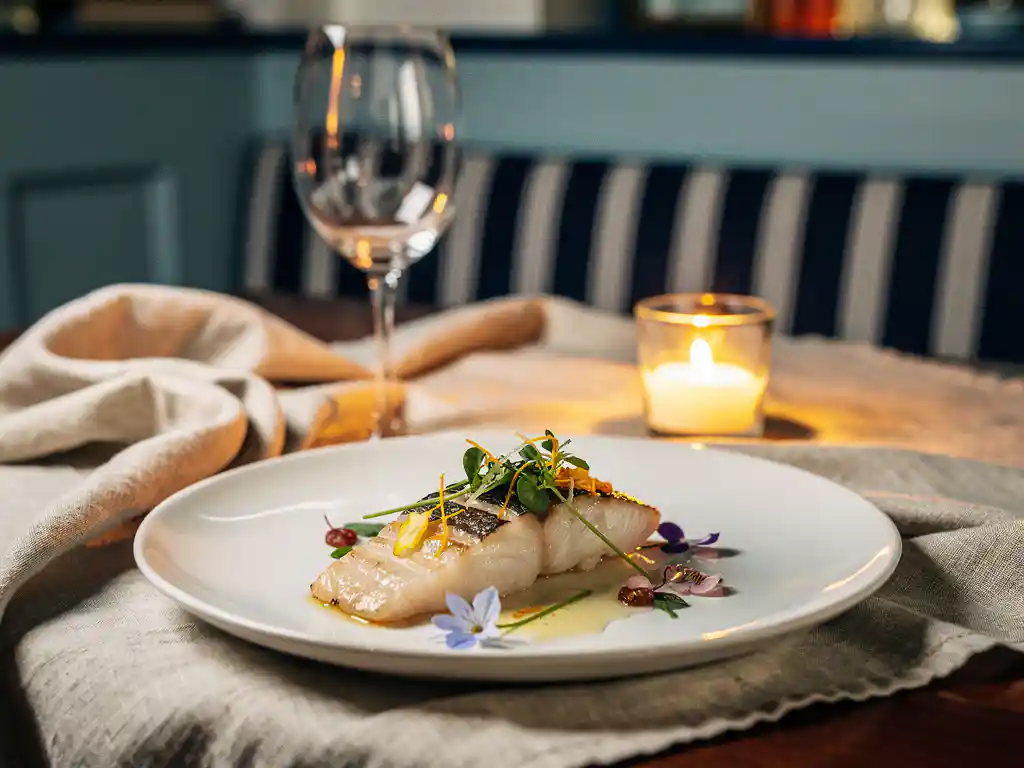
More and more restaurants are moving toward a style that combines the best of both worlds: the quality and attention to detail of fine dining, without the stuffiness that traditionally comes with it. That concept is called casual fine dining, and it’s quickly gaining popularity — including among fans of fine dining in Amsterdam. But what exactly does it involve, and how do you know if it’s right for you?
In this article, we answer the most frequently asked questions about casual fine dining: from its definition to menu structure and everything in between.
What exactly is casual fine dining?
Casual fine dining is a restaurant style that emphasizes high-quality dishes, fresh ingredients, and culinary craftsmanship, combined with a relaxed and welcoming atmosphere. It’s quality without the formal rules of classic fine dining — no strict dress codes, no rigid tableside ceremony.
The name says it all: it’s about enjoying exceptional food in a laid-back setting. You get dishes prepared with skill and care, an impressive wine list, and attentive service — but you don’t have to act as though you’re attending a state banquet. The barrier to entry is lower, the experience feels warmer, and the evening feels like a celebration rather than an examination.
What is the difference between fine dining and casual fine dining?
The key difference between fine dining and casual fine dining lies in the atmosphere and the formal rules. Classic fine dining is characterized by strict etiquette, formal service, fixed dress codes, and a ceremonious ambiance. Casual fine dining retains the culinary quality but replaces the stiffness with warmth, accessibility, and a more relaxed environment.
In practice, this means that fine dining typically involves multiple sommeliers, silver cutlery sets, and an almost theatrical presentation. In casual fine dining, the focus is on the food itself and on an enjoyable evening, without the service creating an uncomfortable distance. The dishes are just as thoughtfully composed and the ingredients just as carefully sourced — but the experience feels more human.
What makes a casual fine dining restaurant special?
A casual fine dining restaurant sets itself apart through the combination of culinary ambition and personal experience. The kitchen works with seasonal produce, fresh ingredients, and a clear culinary vision, while the atmosphere invites guests to relax and truly enjoy themselves without any pressure.
What makes such a restaurant special is the balance. The chef brings skill and creativity to the plate, while the service is warm and personal rather than formal and distant. Guests feel welcome, not scrutinized. That makes it suitable for a wide range of occasions: a romantic dinner, a birthday celebration, a business lunch, or a spontaneous night out with friends.
When should you choose casual fine dining?
You choose casual fine dining when you want a special dining experience that goes beyond an ordinary restaurant visit, while still feeling completely at ease. It’s the ideal choice for special occasions, intentional dinners, or moments when you want to indulge without any fuss.
Think of situations such as:
- A romantic dinner for two
- Celebrating a birthday or anniversary
- A business lunch where atmosphere and quality matter
- A festive dinner with family or friends
- An evening out after a conference or event
Casual fine dining is also a great fit for guests who eat mindfully and are interested in the origin of ingredients, seasonal cooking, or a thoughtful wine pairing. It’s for anyone who wants to invest an evening in a complete culinary experience.
What does a typical casual fine dining menu look like?
A casual fine dining menu typically consists of multiple courses with a clear seasonal structure. You’ll find both à la carte options and a chef’s menu or tasting menu, often complemented by a wine pairing. The dishes are creative and expertly prepared, but the descriptions are approachable and not overly complicated.
Typical features of such a menu include:
- Seasonal ingredients that change regularly
- A combination of classic techniques and modern influences
- Attention to allergens and dietary preferences such as vegetarian or gluten-free
- An optional wine pairing per course
- A rotating chef’s menu alongside the regular à la carte selection
The menu reflects the identity of the chef and the restaurant. At a seafood restaurant, everything revolves around daily fresh fish, oysters, and fruits de mer, while another restaurant may focus on meat, vegetables, or a specific regional cuisine. The common thread is always quality and a genuine respect for the produce.
Where can you find great casual fine dining in Amsterdam?
Amsterdam has a vibrant restaurant scene with several venues offering casual fine dining at a high level. Particularly in neighborhoods like De Pijp, Oud-Zuid, and the Rivierenbuurt, you’ll find restaurants that combine quality with a warm, welcoming atmosphere.
When choosing a good casual fine dining restaurant in Amsterdam, these are the criteria to look for:
- Use of daily fresh, seasonal ingredients
- A menu that changes regularly
- Personal and attentive service
- An atmosphere that invites relaxed enjoyment
- The ability to make a reservation — popular restaurants fill up quickly
Location also plays a role. A restaurant near the RAI Convention Centre or in a lively neighborhood offers added convenience for both Amsterdam locals and visitors from out of town.
How Vis aan de Schelde delivers your casual fine dining experience
At Vis aan de Schelde, we offer exactly what casual fine dining promises: culinary quality in a warm, maritime atmosphere at Scheldeplein in Amsterdam-Zuid. For over 25 years, we’ve been welcoming guests who want to enjoy daily fresh fish and seasonal dishes without any formal barriers.
What you can expect from us:
- A daily changing selection of fresh fish, oysters, and fruits de mer
- A monthly rotating chef’s menu, crafted by our kitchen team
- À la carte options, including the signature dish Vis Exclusief
- Wine pairings with multi-course menus
- A stylish brasserie with a terrace, opposite the RAI Convention Centre
- Dishes for fish, meat, and vegetarian lovers alike
Curious about what’s currently on the menu? View our menu and be sure to reserve in time — tables go fast.
Veelgestelde vragen
Do I need to dress up for a casual fine dining restaurant?
Casual fine dining has no strict dress code, but a neat, put-together appearance is appreciated. Think smart casual: clean jeans with a nice shirt or blouse, or a casual dress. You don't need to wear a tuxedo or cocktail dress, but overly informal clothing such as sportswear or flip-flops doesn't quite fit the atmosphere of the restaurant.
How far in advance should I make a reservation at a casual fine dining restaurant?
It's strongly recommended to book at least a week in advance, especially for weekend evenings or special occasions. Popular restaurants like Vis aan de Schelde fill up quickly on busy nights. For holidays such as Valentine's Day, Christmas, or New Year's Eve, you should expect to book several weeks or even a month ahead.
What is the difference between a chef's menu and à la carte at a casual fine dining restaurant?
With a chef's menu, you opt for a pre-composed multi-course meal that reflects the chef's vision and creativity, often complemented by an optional wine pairing. À la carte gives you the freedom to build your own meal by choosing individual courses from the menu. A chef's menu generally offers a more complete culinary experience, while à la carte provides more flexibility for guests with specific preferences or a shorter evening in mind.
Can I dine at a casual fine dining restaurant if I have allergies or dietary requirements?
Yes, most casual fine dining restaurants take allergies and dietary requirements such as gluten-free, vegetarian, or lactose intolerance seriously. It's important to clearly mention these when making your reservation so the kitchen can prepare accordingly. Don't wait until you're seated at the table, as some adjustments require advance preparation.
Is casual fine dining suitable for children, or is it more of an adult experience?
Casual fine dining is generally more accessible for families than classic fine dining, but it depends greatly on the specific restaurant and the occasion. The relaxed atmosphere makes it less formal, but evenings tend to be longer and the dishes are primarily aimed at adult palates. For a festive family dinner with older children, it's certainly an option; for young children, it's best to check with the restaurant beforehand about the possibilities.
How do I know whether the quality of a casual fine dining restaurant is truly high?
Reliable indicators include a regularly changing, seasonal menu, transparency about the origin of ingredients, and positive reviews on platforms such as Google, TripAdvisor, or specialized restaurant guides. Restaurants that have built a loyal customer base over many years and are known for their daily fresh produce generally offer consistent quality. Personal recommendations from people with similar tastes are also extremely valuable.
What is a wine pairing, and do I always need to choose one at a casual fine dining restaurant?
A wine pairing means that with each course of your menu, a specifically selected wine is served to complement and enhance the flavors of the dish. It's a wonderful way to deepen the culinary experience, but it's certainly not obligatory. You can also choose a single glass of wine, a bottle of your choice from the wine list, or a non-alcoholic alternative. Feel free to ask the staff for advice — they can help you make a choice that suits your preferences and budget.
Gerelateerde artikelen
- Is fine dining in Amsterdam geschikt voor internationale congressbezoekers?
- Wat zijn populaire gerechten bij fine dining restaurants in Amsterdam?
- Welk terras aan het water in Amsterdam is goed voor een zakelijke lunch?
- Waarom is een terras aan het water in Amsterdam zo populair in de zomer?
- 7 beste terrassen aan het water in Amsterdam voor een romantisch diner